Incredible Caddo Lake State Park, Texas: 2026 Travel Guide
Discover Caddo Lake State Park, Texas. Explore cypress trees, wildlife, and rich history in this unique bayou. Plan your 2026 visit today.


Caddo Lake, a sprawling 26,810-acre natural lake and bayou system straddling the Texas-Louisiana border, is a place where time seems to slow down, and nature's grandeur takes center stage. Its most striking feature, the ancient, moss-draped cypress trees, creates an ethereal atmosphere unlike any other in Texas. This unique landscape, a labyrinth of sloughs, channels, and open water, offers a captivating blend of natural beauty, rich history, and abundant wildlife, making Caddo Lake State Park a must-visit destination for nature enthusiasts, anglers, paddlers, and history buffs alike. In 2026, the park continues to draw visitors eager to immerse themselves in its enchanting, almost prehistoric, environment.
The sheer scale and complexity of Caddo Lake are impressive. It's not just a single lake but a vast network of waterways, each with its own character and charm. The dominant feature, of course, is the bald cypress (Taxodium distichum) forest. These majestic trees, with their distinctive "knees" rising from the dark, tannin-stained waters, create a canopy that filters sunlight, casting an otherworldly glow upon the bayou. Spanish moss hangs like ethereal curtains, adding to the mystical ambiance. This unique ecosystem supports a remarkable diversity of plant and animal life, making every visit an opportunity for discovery. The park itself, a jewel within this larger natural treasure, provides dedicated access points and amenities for visitors to experience the magic of Caddo Lake firsthand.
A Glimpse into Caddo Lake's Rich History and Folklore
The allure of Caddo Lake extends far beyond its natural beauty; it's steeped in a history as deep and mysterious as its waters. For centuries, this region was home to the Caddo people, a sophisticated Native American tribe who thrived in the fertile river valleys and relied on the lake's abundant resources. Archaeological evidence suggests a significant Caddo presence, with numerous mounds and settlements dotting the landscape, remnants of a vibrant culture that predates European arrival by millennia. Their legacy is woven into the very fabric of the area, a reminder of the enduring human connection to this land.
Following the displacement of the Caddo, European explorers and settlers arrived, drawn by the promise of fertile land and natural resources. The lake became a vital transportation route, particularly during the 19th century. Steamboats navigated its intricate waterways, carrying goods and people, though the ever-shifting channels and submerged cypress knees presented constant challenges. The discovery of oil in the early 20th century brought a new wave of activity and transformation to the region. While oil exploration had a significant impact, the enduring beauty of the lake managed to survive, leading to efforts to preserve its unique character.
The folklore surrounding Caddo Lake is as captivating as its scenery. Tales of lost treasures, phantom boats, and ancient spirits abound, adding an element of mystery and intrigue. Local legends speak of the "Caddo Curse," a cautionary tale about respecting the natural environment. These stories, passed down through generations, contribute to the lake's enigmatic reputation, drawing visitors who are fascinated by its rich tapestry of history and myth. The park serves as a gateway to understanding not only the natural wonders but also the human stories that have unfolded on and around these ancient waters.
Exploring the Natural Wonders of Caddo Lake State Park
Caddo Lake State Park, established in 1935, is a testament to the enduring appeal of this unique ecosystem. Managed by the Texas Parks and Wildlife Department, the park encompasses over 500 acres of diverse habitats, offering visitors a variety of ways to experience the bayou. Whether you're an avid angler, a passionate birder, a seasoned kayaker, or simply someone seeking a tranquil escape, Caddo Lake State Park provides an unparalleled opportunity to connect with nature.
The Majestic Cypress Trees: Sentinels of the Bayou
The bald cypress trees are undoubtedly the stars of the show at Caddo Lake. These ancient giants, some estimated to be over a thousand years old, dominate the landscape. Their massive trunks, buttressed at the base, rise from the water, supporting a sprawling canopy of feathery needles. The characteristic "knees" – woody projections that grow upwards from the submerged roots – are a fascinating adaptation, thought to help with gas exchange in the waterlogged soil.
In the spring and summer, the cypress trees are a vibrant green, providing shade and a habitat for countless species. As autumn arrives, their needles turn a beautiful russet-gold, creating a breathtaking spectacle of color against the dark water. Even in winter, when the needles drop, the stark silhouettes of the cypress trees against the sky possess a unique, haunting beauty. The Spanish moss, draped from their branches, adds another layer of visual interest, creating a scene that feels both timeless and magical. Walking the park's trails, especially those that wind through the cypress groves, offers an intimate perspective on these magnificent trees.
A Haven for Wildlife: Biodiversity in the Bayou
Caddo Lake is a vital habitat for a remarkable array of wildlife, making it a prime destination for nature observation. The complex network of waterways, dense vegetation, and diverse microhabitats supports a rich tapestry of life, from the smallest invertebrates to larger mammals.
Birdwatching is a particularly rewarding activity here. The lake and surrounding forests are a haven for numerous bird species. Wading birds like herons, egrets, and cormorants are common sights, often seen stalking fish along the shorelines or perched on branches. Ospreys and bald eagles can be spotted soaring overhead, their keen eyes scanning the water for prey. The dense undergrowth and cypress canopy provide ideal nesting grounds for a variety of songbirds, including warblers, vireos, and kingfishers. Wood ducks, with their striking plumage, are a common sight in the quieter sloughs. During migration seasons, Caddo Lake becomes an important stopover point for numerous species, offering birdwatchers the chance to observe a wide variety of migratory birds. A checklist of species found in the park often exceeds 200.
Reptiles and amphibians also thrive in this watery environment. Alligators are a prominent resident, though sightings can vary. These impressive creatures are an integral part of the ecosystem, playing a role in maintaining the health of the aquatic environment. Various species of turtles, including the common snapping turtle and the red-eared slider, are frequently seen basking on logs or swimming in the water. The bayou is also home to numerous frog and snake species, many of which are shy and elusive, adding to the thrill of spotting them.
Mammals inhabit the wooded areas surrounding the lake. White-tailed deer are common, often seen grazing in clearings or along the park's trails. Other mammals that can be found include raccoons, opossums, armadillos, and various species of squirrels. The more secretive inhabitants include bobcats, coyotes, and river otters, though sightings of these are less common. The park's diverse habitats, from dense forests to open water, provide the necessary resources for these animals to survive and flourish.
The aquatic life of Caddo Lake is equally impressive. The waters are home to a variety of fish species, making it a popular destination for anglers. Bass, crappie, bream, and catfish are among the most sought-after species. The lake's ecosystem supports a healthy fish population, which in turn sustains the numerous fish-eating birds and mammals that call it home.

Activities and Adventures at Caddo Lake State Park
Caddo Lake State Park offers a wealth of activities designed to allow visitors to fully immerse themselves in the bayou experience. From exploring the waterways to enjoying the park's amenities, there's something for everyone.
Paddling Paradise: Kayaking and Canoeing the Bayou
One of the most immersive ways to experience Caddo Lake is by kayak or canoe. The intricate network of sloughs, channels, and hidden coves offers endless opportunities for exploration. Paddling allows you to navigate shallow waters and get up close to the towering cypress trees, often inaccessible by larger boats. The quiet serenity of gliding through the water, surrounded by the sounds of nature, is an unforgettable experience.
Several designated paddling trails wind through the park and the broader Caddo Lake system. These trails are often marked, but the sheer complexity of the waterways means that a good map and a sense of adventure are essential. Paddlers can explore the main lake, venture into narrow channels draped with Spanish moss, or discover hidden "ponds" within the cypress forest. Wildlife sightings are common from a kayak or canoe; you might spot a great blue heron taking flight, a turtle sunning itself on a log, or even catch a glimpse of an alligator.
The park offers canoe and kayak rentals, making it easy for visitors to embark on their paddling adventures. For those bringing their own vessels, there are several launch points within the park. It's important to be aware of the weather conditions and water levels, as these can affect paddling conditions. Respecting the wildlife and maintaining a safe distance, especially from alligators, is paramount. The experience of navigating the bayou by paddlecraft, feeling the gentle currents and breathing in the humid air, is truly special. It allows for a deep connection with the natural environment, a chance to appreciate the subtle beauty and the quiet majesty of Caddo Lake.
Angling Adventures: Fishing in the Cypress Maze
Caddo Lake is renowned among anglers for its abundant fish population and unique fishing opportunities. The dense cypress stands, submerged logs, and intricate channels provide ideal habitats for a variety of game fish. Whether you prefer casting from a boat or fishing from the bank, the park offers excellent angling experiences.
Popular game fish in Caddo Lake include largemouth bass, which are a primary target for many anglers. The cypress knees and submerged vegetation offer excellent cover for bass. Crappie and bream are also plentiful and provide excellent opportunities for anglers of all skill levels. Catfish inhabit the deeper channels and are a common catch.
The park provides boat ramps for easy access to the lake, allowing anglers to explore its vast expanse. Many visitors opt for specialized fishing boats that can navigate the shallow, complex waterways. Bank fishing is also an option at various points within the park, offering convenient access for those without boats.
Fishing regulations for Caddo Lake are set by the Texas Parks and Wildlife Department. It's crucial for anglers to be aware of current regulations regarding seasons, bag limits, and licensing requirements. A valid Texas fishing license is required for anyone 17 years of age or older. The unique environment of Caddo Lake, with its dark water and submerged obstacles, presents a unique challenge and reward for anglers. The thrill of hooking a strong bass amidst the ancient cypress trees is an experience that draws fishermen from far and wide. The lake's productivity is a testament to its healthy ecosystem, a balance that anglers and conservationists work together to maintain.
Hiking and Nature Trails: Discovering the Bayou's Secrets on Foot
While Caddo Lake is often explored by water, the park also offers several hiking trails that provide a different perspective on its natural beauty. These trails wind through the park's diverse habitats, allowing visitors to experience the bayou's flora and fauna up close.
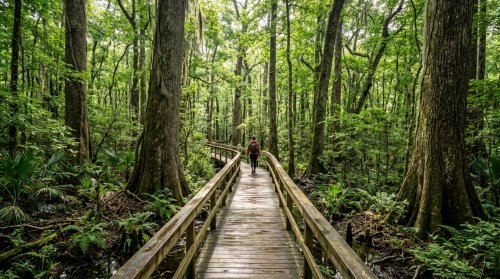
The Boardwalk Trail is a popular choice, offering an elevated pathway through a section of the cypress-tupelo swamp. This trail allows visitors to walk directly into the heart of the swamp without disturbing the delicate ecosystem. Interpretive signs along the boardwalk provide information about the unique plant and animal life found in this environment, including the fascinating adaptations of cypress trees. The ethereal beauty of the moss-draped trees is particularly striking when viewed from this vantage point.
Other trails in the park offer opportunities to explore different areas, including wooded sections and open fields. These trails are generally well-maintained and provide access to scenic overlooks and opportunities for wildlife viewing. Birdwatchers will find these trails particularly rewarding, as they offer chances to spot a variety of terrestrial bird species.
When hiking, it's important to be prepared. Wear comfortable walking shoes, bring insect repellent, and carry plenty of water, especially during the warmer months. The humidity can be high, and the trails can be uneven in places. The reward for venturing onto these trails is a deeper appreciation for the intricate details of the bayou's ecosystem, from the smallest wildflowers to the majestic trees that define this landscape.
Camping and Accommodations: Staying Amidst Nature's Grandeur
Caddo Lake State Park offers a range of camping and lodging options for visitors who wish to extend their stay and fully immerse themselves in the bayou atmosphere.
Campsites are available for tents and RVs, many of which are located within close proximity to the lake, offering beautiful views and easy access to park activities. These sites typically come with amenities such as picnic tables, fire rings, and nearby restrooms with showers. Camping under the stars at Caddo Lake, with the sounds of the bayou as your lullaby, is a truly memorable experience.
For those seeking more comfortable accommodations, the park offers cabins. These rustic cabins provide a cozy retreat, often equipped with basic furnishings, beds, and heating/air conditioning. Some cabins may also include kitchenettes and private bathrooms. Staying in a cabin allows visitors to enjoy the park's natural beauty while having the convenience of indoor amenities. Booking these accommodations in advance is highly recommended, especially during peak seasons, as they are very popular.
The park also features a group picnic area, which is ideal for families and larger groups looking for a place to gather for a meal or a day of outdoor recreation. This area often includes picnic tables, grills, and nearby restrooms.
The availability of these diverse lodging options ensures that visitors can tailor their Caddo Lake experience to their preferences, whether they are seeking a rugged camping adventure or a more comfortable stay. Waking up to the mist rising from the lake and the calls of awakening wildlife is an experience that camping or staying in a cabin at Caddo Lake State Park uniquely provides.
Planning Your Visit to Caddo Lake State Park
To make the most of your trip to Caddo Lake State Park, careful planning is essential. The park's unique environment and location present specific considerations for visitors.
Best Times to Visit
Caddo Lake offers a distinct charm throughout the year, but certain seasons provide optimal experiences for different activities.
- Spring (March-May): This is a vibrant time to visit. Wildflowers begin to bloom, and the weather is generally pleasant for hiking and paddling. Bird activity increases significantly with migratory species returning. Temperatures are moderate, though rain is possible. This is an excellent time for wildlife viewing and enjoying the lush greenery.
- Summer (June-August): Summers are hot and humid, with temperatures often exceeding 90°F (32°C). While challenging for strenuous outdoor activities, the lake remains popular for boating, fishing, and swimming. Early mornings and late evenings offer the most comfortable times for exploration. Afternoon thunderstorms are common.
- Fall (September-November): Autumn is a spectacular season at Caddo Lake. The humidity decreases, and temperatures become more moderate, making it ideal for hiking and paddling. The cypress trees turn a brilliant golden-bronze, creating a breathtaking visual display. Bird migration continues, offering excellent birdwatching opportunities.
- Winter (December-February): Winters are mild, with occasional cold snaps. The stark beauty of the cypress trees without their needles, often draped in frost or mist, offers a unique and serene experience. This is a quieter time to visit, with fewer crowds, and is excellent for photography and enjoying the tranquility of the bayou. Bald eagles are often more visible during the winter months.
Getting There and Park Information
Caddo Lake State Park is located in East Texas, near the town of Karnack. The nearest major airport is in Shreveport, Louisiana, approximately 45 miles away.
- By Car: The park is accessible via Highway 134. From Dallas, it's about a 3-hour drive east. From Houston, it's approximately a 4.5-hour drive northeast.
- Park Entrance Fees: A standard entrance fee is required for each visitor, in addition to any camping or cabin fees. Texas State Parks Pass holders may receive admission benefits.
- Operating Hours: The park is typically open daily from 8:00 AM to 10:00 PM. However, it's always advisable to check the official Texas Parks and Wildlife Department website for the most up-to-date information on hours, fees, and any potential closures or alerts.
- Reservations: It is highly recommended to make reservations for campsites and cabins well in advance, especially during peak seasons and weekends. Reservations can be made through the Texas Parks and Wildlife Department's reservation system.
What to Pack
Given the unique environment of Caddo Lake, packing appropriately is key to a comfortable and enjoyable visit.
- Clothing: Lightweight, breathable clothing is essential, especially for summer visits. Long sleeves and pants can provide protection from the sun and insects. Layers are advisable for cooler mornings and evenings, particularly in spring and fall. Rain gear is also a good idea, as thunderstorms can occur unexpectedly.
- Footwear: Comfortable, sturdy walking shoes or hiking boots are necessary for exploring trails. Water shoes or quick-drying sandals are useful for paddling and exploring near the water's edge.
- Insect Repellent: Mosquitoes and other biting insects can be prevalent, especially during warmer months and near water. Bringing effective insect repellent is crucial.
- Sun Protection: Sunscreen, a wide-brimmed hat, and sunglasses are highly recommended to protect against the sun's rays.
- Hydration: Ample water bottles or a hydration pack are essential, especially when hiking or spending extended time outdoors.
- Binoculars and Camera: For wildlife viewing and capturing the stunning scenery.
- Fishing Gear: If planning to fish, ensure you have the appropriate licenses and equipment.
- Navigation Tools: Maps of the park and surrounding lake system, especially if you plan to paddle or explore off the main trails. A GPS device or smartphone with offline maps can also be helpful.
Safety and Regulations
Respecting the natural environment and adhering to safety guidelines are paramount at Caddo Lake State Park.
- Water Safety: Be aware of water currents, submerged obstacles (like cypress knees), and changing water levels. Always wear a life jacket when boating or paddling, even if you are an experienced swimmer. Never swim alone.
- Wildlife Encounters: Maintain a safe distance from all wildlife, especially alligators. Never feed wild animals, as this can disrupt their natural behavior and pose a danger to both them and humans. Be aware of your surroundings, particularly when hiking.
- Fire Safety: Use designated fire rings for campfires and ensure fires are completely extinguished before leaving them unattended or departing the campsite. Be aware of any burn bans that may be in effect.
- Park Rules: Familiarize yourself with and adhere to all park rules and regulations, including those regarding boating speeds, pet policies, and quiet hours.
- Leave No Trace: Pack out everything you pack in, and dispose of trash properly in designated receptacles. Minimize your impact on the natural environment.
The Enduring Mystique of Caddo Lake
Caddo Lake State Park is more than just a recreational area; it's a portal to a different world. The ancient cypress trees, shrouded in Spanish moss, create a landscape that feels both primal and profoundly peaceful. The intricate network of waterways, teeming with life, offers endless opportunities for exploration and discovery. From the whisper of the wind through the cypress branches to the splash of a fish breaking the water's surface, the bayou speaks a language of its own, a language of nature's enduring power and beauty.
The park preserves not only a unique natural environment but also a rich cultural heritage. The echoes of the Caddo people, the tales of steamboats navigating treacherous waters, and the enduring folklore all add layers of depth to the Caddo Lake experience. Visitors come seeking adventure, relaxation, or a connection with nature, and they leave with something more: a sense of wonder, a profound appreciation for the wild, and a lasting memory of a place unlike any other.
In 2026, Caddo Lake State Park continues to stand as a vital sanctuary, a place where the veil between the present and the past seems thin, and where the magic of the bayou captivates every soul fortunate enough to wander its enigmatic waters. It’s a reminder of the importance of preserving these natural treasures for generations to come, ensuring that the mystique of Caddo Lake endures. The park is a living testament to the breathtaking beauty that can be found when nature is allowed to flourish, creating a landscape that inspires awe and invites contemplation.
Frequently Asked Questions about Caddo Lake State Park
What are the best times of year to visit Caddo Lake State Park?
The best times to visit Caddo Lake State Park depend on your interests. Spring (March-May) offers pleasant weather, blooming wildflowers, and increased bird activity. Fall (September-November) is ideal for moderate temperatures, stunning cypress tree colors, and continued bird migration. Summer (June-August) is hot and humid but good for water activities like boating and fishing, though early mornings and late evenings are recommended. Winter (December-February) is mild and quiet, offering a serene experience with unique winter scenery and potentially better visibility of bald eagles.
Are there alligators in Caddo Lake State Park?
Yes, alligators are native to Caddo Lake and can be found in the park and surrounding waters. While they are a natural part of the ecosystem, visitors should always maintain a safe distance, never feed them, and be aware of their presence, especially when boating or walking near the water's edge.
Can I rent a boat or kayak at Caddo Lake State Park?
Yes, Caddo Lake State Park typically offers canoe and kayak rentals for visitors who wish to explore the lake's waterways. It's advisable to check with the park directly or the Texas Parks and Wildlife Department website for the most current information on rental availability, types of boats offered, and pricing. Boat ramps are also available for those bringing their own watercraft.
What kind of fish can I catch in Caddo Lake?
Caddo Lake is a popular destination for anglers. You can expect to catch a variety of fish, including largemouth bass, crappie, bream, and catfish. The unique structure of the lake, with its cypress trees and submerged vegetation, provides excellent habitat for these species. Remember to check the latest Texas fishing regulations, including license requirements and bag limits, before you cast your line.
Are there hiking trails in Caddo Lake State Park?
Yes, Caddo Lake State Park features several hiking trails. The most notable is the Boardwalk Trail, an elevated path that allows visitors to walk through a cypress-tupelo swamp, offering an up-close view of the unique ecosystem. Other trails provide opportunities to explore wooded areas and enjoy different perspectives of the park's natural beauty. Always wear appropriate footwear and bring water and insect repellent.
What are the accommodation options within Caddo Lake State Park?
Caddo Lake State Park offers a variety of accommodation options to suit different preferences. These include campsites for tents and RVs, many with scenic views and access to amenities like restrooms and showers. The park also features rustic cabins that provide a more comfortable stay, often equipped with basic furnishings and climate control. Reservations for both campsites and cabins are highly recommended, especially during peak seasons.
Share
What's Your Reaction?
 Like
0
Like
0
 Dislike
0
Dislike
0
 Love
0
Love
0
 Funny
0
Funny
0
 Angry
0
Angry
0
 Sad
0
Sad
0
 Wow
0
Wow
0