Incredible Yosemite National Park, CA: Explore Nature’s Majesty in 2026
Discover Yosemite National Park, CA’s granite cliffs, giant sequoias & waterfalls. Plan your 2026 trip to this breathtaking natural wonder.


Yosemite National Park, nestled in the heart of California's Sierra Nevada mountains, stands as a testament to nature's breathtaking artistry. In 2026, it continues to draw millions of visitors annually, eager to witness its iconic granite cliffs, giant sequoia trees, and cascading waterfalls. The sheer grandeur of this UNESCO World Heritage site is often described as overwhelming, a place where the scale of nature dwarfs human endeavors and inspires a profound sense of awe. From the towering El Capitan to the serene Yosemite Valley, the park offers a diverse landscape that has captivated explorers, artists, and nature lovers for generations. The park's enduring appeal lies not only in its spectacular scenery but also in its rich history and the ongoing efforts to preserve its unique ecosystems for future generations.
The park’s designation as a national park in 1890 was a pivotal moment, following years of advocacy by figures like John Muir, who recognized the urgent need to protect this unparalleled wilderness. Muir’s passionate writings and tireless campaigning were instrumental in convincing Congress to set aside Yosemite for public enjoyment and preservation. Today, Yosemite National Park encompasses over 750,000 acres, a vast expanse of wilderness that includes high-mountain meadows, ancient forests, and dramatic glacial valleys. The park's biodiversity is as impressive as its topography, hosting a wide array of flora and fauna that thrive within its protected boundaries. This commitment to conservation ensures that the park remains a sanctuary for wildlife and a vital natural resource for all.
The Geological Marvels of Yosemite
Yosemite's dramatic landscapes are the product of millions of years of geological processes, primarily shaped by the erosive power of glaciers and the uplift of the Sierra Nevada mountain range. The most striking features are the massive granite formations, sculpted by ancient ice sheets that carved out the iconic Yosemite Valley. These glaciers, thousands of feet thick, scraped and polished the bedrock, leaving behind sheer cliffs, U-shaped valleys, and rounded domes.
Yosemite Valley: The Heart of the Park
Yosemite Valley is the undisputed centerpiece of the park and arguably its most famous feature. This glacially carved valley, just over seven miles long and averaging about a mile wide, is renowned for its towering granite walls and spectacular waterfalls.
-
El Capitan: This monolithic granite rock formation stands at the western entrance to Yosemite Valley, rising nearly 3,000 feet (914 meters) from the valley floor. It is a world-renowned destination for rock climbers, attracting elite athletes from around the globe who test their skills on its sheer face. The scale of El Capitan is difficult to comprehend; it is larger than three Eiffel Towers stacked on top of each other. Its imposing presence serves as a constant reminder of the immense geological forces that shaped this landscape.
-
Half Dome: Perhaps the most iconic symbol of Yosemite, Half Dome is a massive granite dome that appears to have been sliced in half by a glacier. Its distinctive shape makes it instantly recognizable. The final ascent to its summit is a challenging hike, involving a steep climb up a granite face aided by cables installed seasonally. The views from the top are unparalleled, offering a panoramic vista of Yosemite Valley and the surrounding High Sierra.
-
Waterfalls: Yosemite is famed for its magnificent waterfalls, which are at their most powerful in the spring and early summer when snowmelt is at its peak.
- Yosemite Falls: This is one of the tallest waterfalls in North America, with a total drop of 2,425 feet (739 meters). It is comprised of three sections: Upper Yosemite Fall, the middle cascades, and Lower Yosemite Fall. The roar of the water during peak flow is a powerful auditory experience.
- Bridalveil Fall: Located near the western entrance to the valley, Bridalveil Fall is known for its delicate, mist-like spray that often creates rainbows on sunny days. Its name comes from the way the wind blows the water, making it appear like a bride's veil.
- Vernal Fall and Nevada Fall: These two powerful waterfalls are accessible via the Mist Trail, a popular hiking route that takes visitors up close to the thundering water. The Mist Trail is aptly named, as hikers are often drenched in spray, especially during the spring melt.
The Giant Sequoias: Ancient Sentinels
Beyond the valley, Yosemite is home to ancient groves of giant sequoias, the largest trees on Earth by volume. These colossal trees, some of which have stood for over 3,000 years, are a living link to a prehistoric past.
-
Mariposa Grove: Located near the park's southern entrance, the Mariposa Grove is the largest grove of giant sequoias in Yosemite, containing over 500 mature specimens. Walking among these giants is a humbling experience, with trees like the "Grizzly Giant" and the "California Tunnel Tree" inspiring wonder and respect. The sheer size and age of these trees are a powerful reminder of the resilience and longevity of nature.
-
Tuolumne Grove and Merced Grove: These smaller groves offer a more intimate experience with the giant sequoias. They are located off Tioga Road and are accessible via short hikes, providing opportunities to admire these magnificent trees in a quieter setting.
Exploring Yosemite: Activities and Experiences
Yosemite National Park offers a vast array of activities for visitors of all interests and fitness levels. Whether you seek adventure, relaxation, or educational experiences, Yosemite delivers.
Hiking and Backpacking
Hiking is one of the most popular ways to experience Yosemite's diverse landscapes. Trails range from easy, paved paths to strenuous, multi-day backpacking routes.
-
Valley Floor Loop: This relatively flat trail offers stunning views of Yosemite Valley's iconic landmarks, including El Capitan, Half Dome, and Yosemite Falls. It's an excellent option for families and those seeking a less strenuous way to see the valley's highlights.
![]()
-
Mist Trail: As mentioned, this trail leads to Vernal Fall and Nevada Fall, offering a challenging but incredibly rewarding experience. Hikers can expect to get wet from the powerful spray.
-
Upper Yosemite Fall Trail: A strenuous climb that rewards hikers with breathtaking views from the top of Yosemite Falls. This hike is not for the faint of heart, involving significant elevation gain.
-
Tioga Road Hikes: During the summer months, Tioga Road opens, providing access to the high country. Trails like the Lyell Canyon trail offer a different perspective of Yosemite, with alpine meadows, granite domes, and pristine lakes.

Rock Climbing and Mountaineering
Yosemite is a world-renowned mecca for rock climbers. The sheer granite walls of El Capitan and other formations provide some of the most challenging and iconic climbs in the world. While climbing requires specialized skills and equipment, visitors can observe climbers on the rock faces or learn about the history of Yosemite climbing.
Scenic Drives and Viewpoints
For those who prefer to take in the sights from the comfort of their vehicle, Yosemite offers several scenic drives and numerous viewpoints.
-
Tioga Road: This high-elevation road is typically open from late May or June through October or November, depending on snow conditions. It offers access to the Tuolumne Meadows, Tenaya Lake, and breathtaking vistas of the High Sierra.
-
Glacier Point Road: This road provides access to Glacier Point, one of the most spectacular viewpoints in the park. From Glacier Point, visitors are treated to panoramic views of Yosemite Valley, Half Dome, Yosemite Falls, and the High Sierra.
-
Tunnel View: Located on Wawona Road just before entering Yosemite Valley from the south, Tunnel View is a classic, postcard-perfect vista of Yosemite Valley, El Capitan, Bridalveil Fall, and Half Dome. It is a must-stop for photographers and anyone wanting to capture the essence of Yosemite.
Wildlife Viewing
Yosemite is home to a diverse array of wildlife, including black bears, mule deer, coyotes, and numerous bird species. While sightings are never guaranteed, visitors can increase their chances by visiting at dawn or dusk and exploring quieter areas of the park. It is crucial to remember that these are wild animals, and visitors should maintain a safe distance and never feed them. The National Park Service provides detailed guidelines on wildlife safety and viewing.
Stargazing
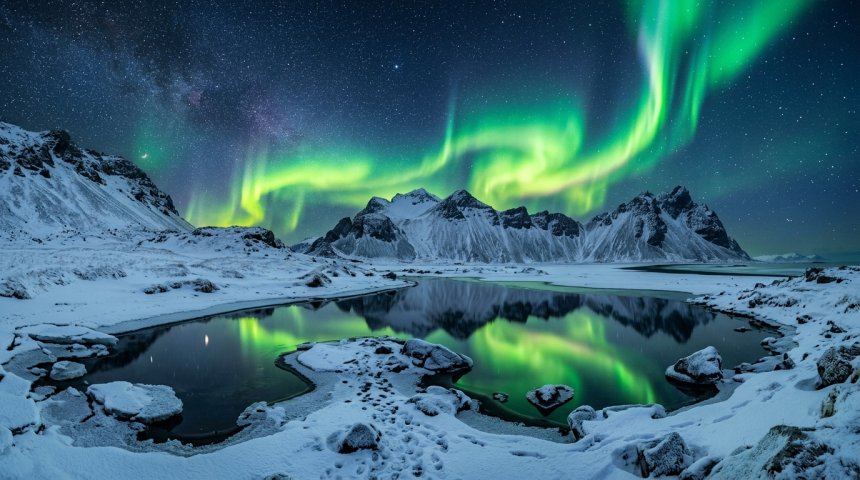
With its remote location and minimal light pollution, Yosemite offers incredible opportunities for stargazing. On clear nights, the Milky Way is often visible, stretching across the vast expanse of the night sky. Designated stargazing spots and ranger programs can enhance the experience.
Conservation and Preservation Efforts
The preservation of Yosemite National Park is a continuous and critical endeavor. The park faces numerous challenges, including increased visitor numbers, climate change, and the need to manage natural resources sustainably.
The Role of the National Park Service
The National Park Service (NPS) is tasked with managing Yosemite and ensuring its protection for future generations. This involves a multifaceted approach, including trail maintenance, habitat restoration, wildlife management, and visitor education. The NPS works to balance the needs of visitors with the imperative of preserving the park's natural and cultural resources.
Addressing Climate Change Impacts
Climate change poses significant threats to Yosemite's ecosystems. Rising temperatures can affect snowpack levels, water availability, and the health of forests. Increased frequency and intensity of wildfires also present a major challenge. The park is actively involved in research and adaptive management strategies to mitigate these impacts. For instance, efforts are underway to restore more natural fire regimes through prescribed burns, which can help reduce the risk of catastrophic wildfires and promote forest health. You can find more information on climate change impacts and the NPS's response on the Environmental Protection Agency (EPA) website.
Sustainable Tourism
As visitor numbers continue to grow, promoting sustainable tourism practices is paramount. This includes encouraging the use of public transportation within the park, reducing waste, and educating visitors on Leave No Trace principles. The park service aims to minimize the human footprint while allowing visitors to experience its wonders.
Planning Your Visit to Yosemite in 2026
A trip to Yosemite National Park requires careful planning to ensure a safe, enjoyable, and memorable experience.
Best Time to Visit
The best time to visit Yosemite depends on your interests and what you hope to see and do.
- Spring (April-May): Waterfalls are at their peak, wildflowers bloom, and the weather is generally pleasant, though snow may still linger at higher elevations. Tioga Road and Glacier Point Road are usually closed until late May or June.
- Summer (June-August): This is the most popular time to visit, with warm weather and all park roads typically open. However, it is also the most crowded, and reservations may be required for entry. Waterfalls begin to diminish by late summer.
- Fall (September-October): The crowds thin out, the weather is often crisp and pleasant, and fall colors can be stunning in some areas. Waterfalls are usually at their lowest flow.
- Winter (November-March): Yosemite Valley is accessible year-round and offers a serene, snow-covered landscape. Skiing and snowshoeing are popular activities. Tioga Road and Glacier Point Road are closed.
Entrance Reservations and Fees
Due to high demand, Yosemite National Park may implement an entry reservation system during peak seasons. It is crucial to check the official Yosemite National Park website for the most up-to-date information on reservation requirements, fees, and operating hours for 2026. Planning and securing reservations well in advance is highly recommended.
Accommodation
Accommodation options within Yosemite are limited and book up quickly.
- In-Park Lodging: Yosemite Valley offers lodges such as The Ahwahnee, Yosemite Valley Lodge, and Curry Village. Higher elevations have options like Tuolumne Meadows Lodge (summer only).
- Campgrounds: Numerous campgrounds are available inside and outside the park. Reservations are highly recommended and often required, especially during peak season.
- Outside the Park: Gateway towns like El Portal, Mariposa, Oakhurst, and Groveland offer a range of hotels, motels, and vacation rentals.
Getting Around
- Personal Vehicle: While driving into Yosemite offers flexibility, parking in Yosemite Valley can be extremely challenging during peak times.
- Park Shuttles: Yosemite Valley and Tuolumne Meadows offer free shuttle services, which are an excellent way to get around without the hassle of parking.
- Bicycles: Renting a bike is a popular and enjoyable way to explore Yosemite Valley.
Safety and Preparedness
- Wildlife: Be aware of bears and other wildlife. Store food properly in bear-proof containers and never feed animals.
- Weather: Mountain weather can change rapidly. Be prepared for varying conditions, especially when hiking at higher elevations.
- Hydration: Drink plenty of water, especially during strenuous activities.
- Navigation: Carry a map and compass, and know how to use them, even on well-traveled trails. Cell service is often unreliable.
- Leave No Trace: Practice Leave No Trace principles to minimize your impact on the environment. This includes packing out everything you pack in, staying on trails, and respecting wildlife.
The Enduring Legacy of Yosemite
Yosemite National Park is more than just a collection of stunning natural features; it is a symbol of the American conservation movement and a place that continues to inspire wonder and a deep connection with the natural world. Its granite monoliths, ancient trees, and thundering waterfalls are a powerful reminder of the Earth's raw beauty and the importance of protecting these wild places. As we navigate the complexities of the 21st century, Yosemite remains a vital sanctuary, offering solace, adventure, and a profound perspective on our place within the grand tapestry of nature. The ongoing efforts to preserve its unique character and ecological integrity ensure that this majestic crown jewel will continue to inspire awe for generations to come.
Frequently Asked Questions About Yosemite National Park
How can I get reservations for Yosemite National Park in 2026?
Reservations for Yosemite National Park can be complex and change based on the season and day of the week. It is essential to visit the official Yosemite National Park website for the most current and accurate information regarding entry requirements for 2026. Typically, reservations are required during peak season (spring through fall) and on weekends. These reservations often allow entry into the park for a specific period and can be made on recreation.gov. It is advisable to check the website frequently as reservation windows open and close, and to book as far in advance as possible, as popular dates fill up rapidly.
What are the most iconic sights in Yosemite?
The most iconic sights in Yosemite National Park include Yosemite Valley, with its towering granite cliffs like El Capitan and Half Dome, and its magnificent waterfalls such as Yosemite Falls and Bridalveil Fall. The giant sequoia trees in Mariposa Grove, Tuolumne Grove, and Merced Grove are also incredibly iconic. Glacier Point offers one of the most breathtaking panoramic views of the valley and the High Sierra.
Is Yosemite National Park safe for solo travelers?
Yosemite National Park is generally considered safe for solo travelers, but like any wilderness area, it requires vigilance and preparedness. It is important to stay on marked trails, inform someone of your hiking plans, carry essential safety gear, and be aware of your surroundings. Wildlife encounters, while rare if proper precautions are taken, are possible. Solo travelers should be especially mindful of their personal safety and avoid hiking in extremely remote areas alone, particularly after dark. Utilizing park shuttles and staying in developed areas can also enhance safety.
What is the best way to see Yosemite Valley if I have limited time?
If you have limited time, focusing on Yosemite Valley is the most efficient way to experience many of the park's highlights. You can utilize the free Yosemite Valley shuttle system to access key viewpoints and trailheads without the stress of parking. Must-see spots include Tunnel View for an iconic first glimpse, a walk or bike ride along the Valley Floor Loop for views of El Capitan and Yosemite Falls, and a visit to the base of Lower Yosemite Fall. A short, paved walk to the base of Bridalveil Fall is also highly recommended.
Are there any entrance fees for Yosemite National Park?
Yes, there are entrance fees for Yosemite National Park. As of 2026, a standard entrance fee is required per vehicle, which is typically valid for seven consecutive days. You can find the most up-to-date fee information on the official Yosemite National Park website. Visitors who have an America the Beautiful Pass, which covers entrance fees to all national parks and federal recreation lands, do not need to pay the Yosemite entrance fee.
What should I pack for a trip to Yosemite?
Packing for Yosemite depends heavily on the season and planned activities. However, essential items generally include comfortable hiking shoes, layers of clothing (as mountain weather can change quickly), rain gear, sunscreen, a hat, insect repellent, a reusable water bottle, and a backpack. For hiking, it's also wise to pack a map, compass or GPS device, and a first-aid kit. If visiting during colder months, bring warm clothing, including gloves and a warm hat. Bear-resistant food canisters are mandatory for overnight backcountry trips and recommended for day use in some areas.
Conclusion
Yosemite National Park stands as a monumental achievement in conservation and a testament to the enduring power of natural beauty. In 2026, its granite peaks, ancient sequoias, and powerful waterfalls continue to draw visitors from across the globe, offering an unparalleled opportunity to connect with the wild. From the challenging climbs of El Capitan to the serene meadows of Tuolumne, Yosemite provides a diverse landscape for exploration and reflection. The ongoing commitment to preserving this irreplaceable treasure ensures that its majesty will continue to inspire and awe for generations to come, reminding us of the vital importance of protecting our planet's most precious natural landscapes.
Share
What's Your Reaction?
 Like
0
Like
0
 Dislike
0
Dislike
0
 Love
0
Love
0
 Funny
0
Funny
0
 Angry
0
Angry
0
 Sad
0
Sad
0
 Wow
0
Wow
0