Top 10 Incredible USA Hidden Gems 2026: Complete Guide
Discover the Top 10 Incredible Hidden Gems in the USA for 2026. Explore off-the-beaten-path destinations for unique adventures.


The United States, a vast tapestry of diverse landscapes and vibrant cultures, often draws travelers to its iconic landmarks – the Grand Canyon, the Statue of Liberty, Disney World. While these destinations are undeniably spectacular, a different kind of magic awaits those willing to venture off the beaten path. In 2026, the allure of the undiscovered is stronger than ever, with travelers seeking authentic experiences and serene escapes. According to a recent survey by TravelPulse, 65% of travelers in 2026 are actively looking for destinations that offer unique, less crowded experiences. This guide unveils ten incredible hidden gems across the USA, promising adventure, beauty, and memories that go beyond the usual tourist trails.
1. Apostle Islands National Lakeshore, Wisconsin
Nestled along the northernmost tip of Wisconsin, jutting into the icy blue waters of Lake Superior, the Apostle Islands National Lakeshore is a breathtaking archipelago of 21 islands and a stretch of mainland shoreline. This pristine wilderness is a sanctuary for kayakers, hikers, and nature enthusiasts. The islands are renowned for their dramatic sandstone sea caves, sculpted over millennia by the relentless waves of the largest freshwater lake in the world. In the summer months, the caves are accessible by kayak, allowing visitors to paddle through archways and into hidden grottoes, marveling at the vibrant colors and intricate formations.
Beyond the caves, the islands offer miles of hiking trails winding through lush forests and along rugged coastlines. Historic lighthouses, some dating back to the late 19th century, stand as stoic sentinels, offering glimpses into the region's maritime past. Camping on the islands provides an unparalleled opportunity to disconnect and immerse oneself in nature, with starry skies unpolluted by city lights and the soothing sound of waves lapping the shore. The Apostle Islands are a testament to the raw, untamed beauty of the Great Lakes region, a far cry from the bustling metropolises most associate with American travel. The National Park Service provides extensive information on visiting the Apostle Islands, including seasonal access and safety tips.
2. The Wave, Arizona/Utah Border
While not entirely unknown, securing a permit to visit The Wave remains one of the most challenging and rewarding travel experiences in the USA. Located on the border of Arizona and Utah, within the Paria Canyon-Vermilion Cliffs National Monument, The Wave is a geological masterpiece of swirling sandstone formations that appear to have been carved by liquid art. Its undulating curves and vibrant hues of red, orange, and yellow create a surreal, almost otherworldly landscape that photographers and adventurers dream of capturing.
Access to The Wave is strictly limited to protect its delicate ecosystem. A lottery system is in place, with only a limited number of permits issued daily. This scarcity only adds to its mystique and the profound sense of discovery for those who manage to obtain one. The hike to The Wave is approximately 3 miles each way, across unmarked desert terrain, requiring navigation skills and ample preparation, including carrying sufficient water. The effort, however, is undeniably worth it. Standing within this natural amphitheater, bathed in the desert sun, is an experience that etches itself into one's memory. The Bureau of Land Management (BLM) oversees the permitting process for The Wave.
3. Caddo Lake State Park, Texas
In the heart of East Texas, where the humid air hangs heavy with the scent of pine and cypress, lies Caddo Lake State Park, a mystical realm of Spanish moss-draped cypress trees, winding bayous, and abundant wildlife. This is the largest natural lake in Texas, a sprawling labyrinth of waterways that feels a world away from the arid landscapes often associated with the state. The park is a haven for those seeking tranquility and a deep connection with nature.
Caddo Lake is best explored by canoe or kayak, gliding silently through the shallow waters, with only the calls of egrets and the rustling of unseen creatures breaking the stillness. The iconic cypress trees, with their gnarled roots rising from the water, create a hauntingly beautiful canopy. Fishing is a popular pastime here, with anglers casting lines for bass, crappie, and catfish. Birdwatching is also exceptional, with the lake serving as a vital stopover for migratory birds. For history buffs, the area is steeped in folklore and legend, with tales of ancient Caddoan tribes and mysterious disappearances adding an intriguing layer to its natural beauty. The park offers camping, cabins, and boat rentals, making it an accessible yet profoundly unique destination.
4. Grand Teton National Park (Lesser-Known Areas), Wyoming
While Grand Teton National Park is a well-established destination, many visitors flock to the iconic viewpoints overlooking the Teton Range, missing out on the park's quieter, equally spectacular corners. Beyond the popular String Lake and Jenny Lake areas, lie hidden gems that offer solitude and a more intimate encounter with this majestic landscape. Consider exploring the eastern side of the park, which offers stunning vistas with fewer crowds, or venturing into the Jedediah Smith Wilderness accessible from the park's northern end.
Hiking trails like the Taggart Lake and Bradley Lake Loop offer moderate challenges with rewarding views, and the Phelps Lake Overlook provides a breathtaking panorama without the strenuous climb of some other trails. For a truly immersive experience, consider backcountry camping or a multi-day backpacking trip into the more remote areas of the park. The Snake River offers opportunities for scenic float trips, providing a different perspective of the towering peaks reflected in the calm waters. The park's diverse ecosystems also support abundant wildlife, including elk, moose, bears, and pronghorn, making every excursion a potential wildlife encounter. Experiencing Grand Teton beyond its most famous overlooks reveals a deeper, more profound connection to its wild heart. The National Park Service provides detailed maps and trail information.
5. Congaree National Park, South Carolina
Deep within the heart of South Carolina lies Congaree National Park, a primeval forest of old-growth bottomland hardwoods, one of the last remaining stands of its kind in the United States. This unique ecosystem, characterized by its towering trees and intricate network of waterways, offers a glimpse into a landscape that has remained largely unchanged for centuries. The park is a UNESCO Biosphere Reserve, a testament to its ecological significance.
The park's primary attraction is its elevated boardwalk system, which allows visitors to wander through the dense forest canopy without disturbing the fragile environment. The elevated paths provide a unique perspective, allowing you to walk among trees that can reach heights of over 160 feet, draped in Spanish moss. Kayaking and canoeing on the Congaree River and its tributaries offer a serene way to explore the park's aquatic life and observe the dense foliage from water level. The park is also a haven for wildlife, including white-tailed deer, wild turkeys, and a remarkable diversity of bird species. At night, Congaree transforms into a magical realm, particularly during the synchronous firefly season (typically May and June), when thousands of these insects light up the forest with their mesmerizing bioluminescent displays.
6. Bisbee, Arizona
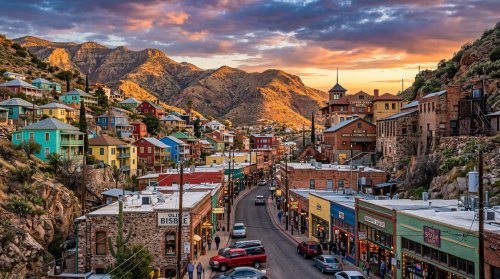
Perched in the Mule Mountains of southeastern Arizona, Bisbee is a former copper mining town that has been transformed into a bohemian haven for artists, musicians, and free spirits. Its steep, winding streets are lined with colorful Victorian homes, independent boutiques, art galleries, and eclectic cafes, all clinging to the hillsides. The town's rich history is palpable, with remnants of its mining past evident throughout.
The Queen Mine Tour offers a fascinating descent into the earth, taking visitors on a journey through the tunnels of a historic copper mine. The Bisbee Mining & Historical Museum provides a deeper dive into the town's industrial heritage. Wandering through the narrow alleyways and discovering hidden courtyards is an adventure in itself. The town's artistic community is vibrant, with numerous galleries showcasing local talent and frequent art walks. Bisbee's unique charm lies in its quirky character, its stunning mountain setting, and its welcoming, unconventional atmosphere. It's a place where history meets creativity, offering a refreshing alternative to more conventional tourist destinations.

7. North Cascades National Park, Washington
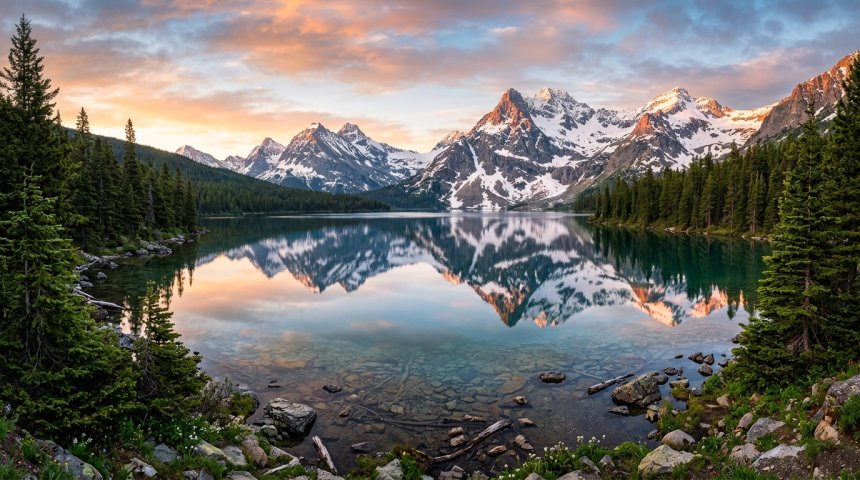
Often overshadowed by its more famous counterparts like Olympic and Mount Rainier, North Cascades National Park is a rugged, remote wilderness of jagged peaks, turquoise lakes, and ancient forests. Dubbed the "American Alps," this park boasts some of the most dramatic mountain scenery in the continental United States, yet it receives a fraction of the visitors. The park's dramatic beauty is characterized by its glaciers, alpine meadows, and pristine wilderness.
The park's jewel is Diablo Lake, whose striking turquoise color is a result of glacial silt suspended in the water. Hiking trails range from easy strolls along Diablo Lake to challenging multi-day treks into the backcountry. The Pacific Crest Trail (PCT) also passes through the park, offering opportunities for thru-hikers and day-trippers alike. The remote nature of the North Cascades means that solitude is readily available, allowing for a truly immersive experience in nature. Wildlife viewing is excellent, with opportunities to spot mountain goats, black bears, and a variety of bird species. The park's undeveloped nature makes it a perfect destination for those seeking a wild and adventurous escape. The North Cascades Institute offers educational programs and insights into the park's natural and cultural history.
8. Great Sand Dunes National Park and Preserve, Colorado
Imagine a desert landscape at the foot of towering, snow-capped mountains. This surreal juxtaposition defines Great Sand Dunes National Park and Preserve in southern Colorado. Here, North America's tallest sand dunes rise dramatically from the valley floor, reaching heights of up to 750 feet. These colossal dunes, formed by prevailing winds, create a unique and ever-changing landscape that offers a playground for adventurers.
The most popular activity is sandboarding and sand-sledding down the steep slopes, an exhilarating experience that feels akin to snowboarding but with the warm embrace of sand. Hiking on the dunes is a unique challenge, with the soft sand making every step a workout, but the panoramic views from the crests are unparalleled. During certain times of the year, Medano Creek flows at the base of the dunes, creating a natural splash pool that is a welcome respite from the desert heat. The park also offers opportunities for stargazing, with its remote location and clear skies providing a spectacular celestial display. The contrast between the arid dunes and the surrounding alpine environment makes this a truly unforgettable destination.
9. Valley of Fire State Park, Nevada
Just an hour's drive from the glittering lights of Las Vegas lies Valley of Fire State Park, a geological wonderland of vibrant red sandstone formations that seem to glow under the desert sun. This park is Nevada's oldest state park and a true hidden gem, offering stunning scenery and a rich geological history without the overwhelming crowds of more famous desert destinations. The swirling patterns and vibrant colors of the Aztec Sandstone are a photographer's dream.
Key attractions include the iconic "Elephant Rock," a massive sandstone arch, and the "Fire Wave," a mesmerizing rock formation with undulating bands of color. Hiking trails wind through canyons and past ancient petroglyphs left by the ancestral Pueblo people. The park's remoteness and dramatic landscapes make it feel like stepping onto another planet. Sunrise and sunset are particularly magical times to visit, as the low-angled light intensifies the reds and oranges of the rock formations, creating a breathtaking spectacle. Despite its proximity to Las Vegas, Valley of Fire offers a profound sense of solitude and natural beauty that is a stark contrast to the city's artificial allure.
10. Isle Royale National Park, Michigan
For the ultimate escape into true wilderness, Isle Royale National Park, located in the largest island in Lake Superior, is an unparalleled destination. This remote island park is a rugged, wild place accessible only by ferry or seaplane, offering a profound sense of isolation and immersion in nature. The park is a designated wilderness area, with no roads or motorized vehicles allowed beyond the dock at Rock Harbor.
The island's interior is a dense forest, crisscrossed by over 165 miles of hiking trails, including the famous Greenstone Ridge Trail, which traverses the island's spine. Wildlife abounds, with moose populations thriving on the island, and the park is one of the few places in the world where wolves and moose coexist in a natural predator-prey relationship. Kayaking and canoeing along the island's rugged coastline offer stunning views and opportunities to explore hidden coves and sea caves. Camping is the primary mode of accommodation, allowing visitors to fully embrace the park's wild spirit. Isle Royale is not a destination for the casual tourist; it requires planning and a commitment to experiencing nature in its purest form. It's a place to disconnect, to reflect, and to be humbled by the raw power of the wilderness. The National Park Service provides essential information for planning a trip to this remote park.
Conclusion
The United States is brimming with extraordinary places that often go unnoticed amidst the fanfare of its more famous attractions. In 2026, the call to explore the less-traveled path is a compelling one, offering opportunities for deeper connection, authentic discovery, and unforgettable adventures. From the sea caves of the Apostle Islands to the surreal landscapes of the Valley of Fire, these ten hidden gems represent just a fraction of the wonders that await those willing to look beyond the obvious. By venturing into these remarkable locales, travelers can experience the true diversity and breathtaking beauty that the USA has to offer, creating memories that resonate long after the journey ends.
Frequently Asked Questions
What is the best time of year to visit the Apostle Islands National Lakeshore?
The best time to visit the Apostle Islands National Lakeshore is generally from June through September. During these months, the weather is milder, lake conditions are typically calmer, and all park facilities and ferry services are operational. Kayaking to the sea caves is most accessible and enjoyable during this period. However, be prepared for variable weather on Lake Superior, as conditions can change rapidly even in summer. Fall offers beautiful foliage but cooler temperatures and reduced services.
How difficult is the hike to The Wave?
The hike to The Wave is considered moderately difficult, primarily due to the unmarked terrain and the desert environment. It is approximately 3 miles (4.8 km) one way from the trailhead to The Wave. There is no marked trail, and hikers must navigate using a map, compass, or GPS device. The route involves walking on sand and slickrock, and there is little shade. Carrying plenty of water (at least 1 gallon per person), sun protection, and sturdy footwear is essential. A permit is required to visit The Wave, which can be obtained through a daily lottery system.
Are there accommodations available within Congaree National Park?
Congaree National National Park does not have any in-park lodging accommodations such as hotels or lodges. However, visitors can stay in nearby towns like Columbia, South Carolina, which offers a range of hotels and motels. For those wishing to stay within the park, primitive camping is available at designated campsites. These campsites are accessible via hiking or paddling and require reservations.
What kind of wildlife can I expect to see at Isle Royale National Park?
Isle Royale National Park is renowned for its abundant and diverse wildlife. The most iconic species are the moose and gray wolves, which have a unique predator-prey relationship on the island. Visitors often see moose grazing in meadows or along the shoreline. Other commonly sighted animals include beavers, red foxes, snowshoe hares, and a wide variety of bird species, including various waterfowl and songbirds. Due to the park's wilderness status, sightings are natural and not guaranteed.
Is it safe to swim at Great Sand Dunes National Park?
Swimming is possible at Great Sand Dunes National Park and Preserve, but it is limited to seasonal streams, most notably Medano Creek. Medano Creek typically flows strongly enough for swimming and splashing from late May through early June, depending on snowmelt and rainfall. Outside of this period, the creek may be dry or have very low water levels. It's important to check current conditions with park rangers before planning to swim. The water can be quite cold, even during warmer months.
Share
What's Your Reaction?
 Like
0
Like
0
 Dislike
0
Dislike
0
 Love
0
Love
0
 Funny
0
Funny
0
 Angry
0
Angry
0
 Sad
0
Sad
0
 Wow
0
Wow
0