
Ultimate Bisbee, Arizona: A Historic Desert Gem 2026
Discover Bisbee, Arizona, a historic desert gem and former mining town. Explore art, culture, and unique charm in this Sonoran Desert destination in 2026.

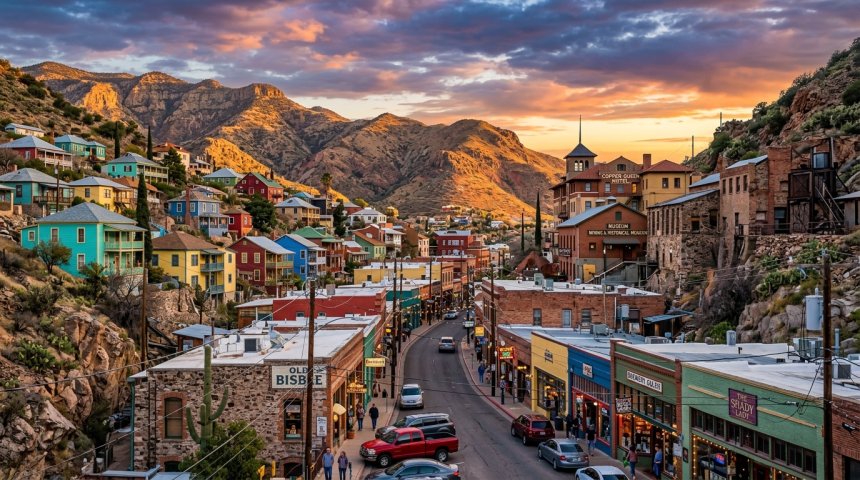
Bisbee, Arizona, a town nestled in the Mule Mountains of Cochise County, is a place where history, art, and a vibrant independent spirit converge. Often described as a "quirky" or "eclectic" town, Bisbee defies easy categorization. It’s a former copper mining boomtown that, after its economic fortunes shifted, reinvented itself into a haven for artists, retirees, and free spirits. With its steep hillsides, colorful Victorian architecture, and a unique cultural tapestry, Bisbee offers a captivating glimpse into a different pace of life. As of 2026, this former mining powerhouse continues to draw visitors and residents alike with its undeniable charm and enduring character.
The town's story is deeply intertwined with the discovery of a massive copper deposit in 1877 by a U.S. Army scout named Henry C. Hooker. This discovery led to the establishment of the Copper Queen Mine, and soon, Bisbee was booming. By the early 20th century, it was one of the largest cities in Arizona, a bustling hub of industry and commerce. The mines, particularly the Copper Queen and the Calumet and Arizona mines, produced billions of dollars worth of copper, silver, and gold. This wealth built the infrastructure and the distinctive architecture that still defines Bisbee today. The town's population swelled, attracting a diverse workforce from around the world, each contributing to the rich cultural mosaic that still echoes in its streets. The sheer scale of the mining operations was astounding; at its peak, Bisbee was the largest city in Arizona, a testament to the riches drawn from the earth.
However, like many mining towns, Bisbee's fortunes eventually declined. The mines began to play out, and by the 1970s, the major operations had ceased. This economic downturn could have led to the town's demise, but Bisbee, true to its resilient spirit, found a new path. Artists, drawn by the low cost of living, the unique aesthetic, and the welcoming atmosphere, began to move in, transforming old buildings into studios and galleries. This influx of creativity breathed new life into Bisbee, shifting its identity from a hardscrabble mining town to an artistic enclave. This transformation is a powerful example of how communities can adapt and thrive, even in the face of economic challenges. The legacy of its mining past remains, but it is now interwoven with a thriving contemporary arts scene.
The Copper Queen Mine: A Legacy of Riches and Resilience
The heart of Bisbee's historical identity is undeniably the Copper Queen Mine. Opened in 1877, it was the first major copper mine in the district and became one of the most productive mines in Arizona. For nearly a century, it yielded immense quantities of copper, gold, and silver, shaping the economic destiny of the region. The sheer scale of its operations is difficult to comprehend; the mine delved deep into the earth, its network of tunnels stretching for miles. The miners who worked these depths faced challenging and often dangerous conditions, their labor fueling the industrial growth of the United States.
The Copper Queen Mine wasn't just about extracting ore; it was a community. The town of Bisbee grew up around the mine, its fortunes directly tied to the productivity of the shafts. The wealth generated by the mine allowed for the construction of the beautiful Victorian-era buildings that still grace Brewery Gulch and Main Street. These structures, with their ornate facades and intricate details, are a tangible reminder of Bisbee's prosperous past. The mine’s influence extended beyond the physical landscape; it shaped the social fabric of the town, attracting a diverse population of immigrants seeking work and opportunity.
Today, the Copper Queen Mine is a National Historic Landmark and a major tourist attraction. Visitors can take guided tours deep into the mine, experiencing firsthand the conditions under which the miners worked. These tours offer a fascinating glimpse into the history of mining in the American West, providing context for Bisbee's development. The tour guides, often with personal connections to the mining families, bring the history to life with engaging stories and firsthand accounts. The cool, damp air of the mine, the echoing sounds of dripping water, and the narrow passageways all contribute to an immersive historical experience. The mine's legacy is not just about the copper it produced, but about the human endeavor, the risks taken, and the community built around this vital industry. It stands as a powerful symbol of Bisbee's past and a cornerstone of its present-day tourism. The sheer volume of ore extracted is staggering, with estimates suggesting the mine produced over $500 million worth of copper during its operational years, a figure that translates to billions in today's currency. This immense wealth laid the foundation for the town's existence and its unique architectural heritage.
Exploring Bisbee's Unique Landscape and Architecture
Bisbee's topography is one of its most striking features. The town is built on incredibly steep hillsides, with streets that often turn into staircases and houses clinging precariously to the slopes. This unique geography has shaped the town's layout and its distinctive character. The main streets, Brewery Gulch and Main Street, are nestled in the canyon floor, while residential areas climb the surrounding hills. Navigating Bisbee often involves an adventure in itself, with its winding roads, hidden alleys, and countless flights of stairs. This verticality contributes to the town's charm, offering stunning vistas at every turn.
The architecture of Bisbee is a captivating blend of eras, reflecting its history as a prosperous mining town and its subsequent artistic revival. The downtown area is renowned for its well-preserved Victorian-era buildings. These structures, many of which were built during the mining boom of the late 19th and early 20th centuries, feature elaborate wooden gingerbread trim, bay windows, and colorful facades. Walking through downtown Bisbee feels like stepping back in time, with the architecture telling stories of a bygone era. Many of these historic buildings have been repurposed into art galleries, boutiques, restaurants, and cafes, preserving their historical integrity while giving them new life.
Beyond the Victorian core, Bisbee's residential areas showcase a variety of architectural styles. Homes range from modest miners' cottages to grander homes built by mine owners and managers. Many of these houses are painted in vibrant, unconventional colors, adding to the town's eclectic and artistic atmosphere. The steep terrain has led to some creative housing solutions, with homes built into the hillsides, featuring multi-level decks and gardens that cascade down the slopes. The lack of flat land has fostered a unique sense of community, with neighbors often sharing staircases and pathways.
One of the most iconic architectural landmarks is the Bisbee Mining & Historical Museum, a Smithsonian Institution affiliate. Housed in the former headquarters of the Copper Queen Consolidated Mining Company, the museum itself is a magnificent example of early 20th-century architecture. Its exhibits provide a comprehensive overview of the region's mining history, natural history, and cultural heritage, offering crucial context for understanding Bisbee's development. The building's imposing presence on Main Street serves as a constant reminder of the industry that built the town.
The town's unique urban planning, or rather, its organic growth dictated by the terrain, has resulted in a labyrinthine street system. Many streets are named after mining operations or prominent figures from Bisbee's past. The sheer number of staircases, often adorned with flowers and art, is a testament to the town's ingenuity in adapting to its challenging environment. These "Bisbee steps" are not just functional; they are an integral part of the town's aesthetic, connecting neighborhoods and offering residents a unique way to navigate their hilly home. The town’s commitment to preserving its historic architecture is evident, with many buildings undergoing careful restoration, ensuring that Bisbee’s visual narrative continues to inspire.
A Thriving Arts and Culture Scene
Bisbee's transformation from a mining town to an artistic hub is one of its most compelling narratives. The town's affordability, coupled with its unique aesthetic and a welcoming, non-conformist spirit, attracted artists from across the country. This influx of creativity has profoundly shaped Bisbee's identity, creating a vibrant and diverse cultural landscape. Today, Bisbee is renowned for its numerous art galleries, studios, artisan shops, and live music venues.
The Bisbee Arts Commission plays a vital role in fostering the arts scene, organizing events and supporting local artists. The town hosts several art walks and festivals throughout the year, drawing visitors and showcasing the talents of its creative residents. These events are not just about selling art; they are about community, connection, and celebrating the artistic spirit that defines Bisbee. The sheer density of galleries, particularly along Main Street and in the historic Brewery Gulch area, is remarkable for a town of its size.

The art found in Bisbee is as diverse as the artists themselves. You can find everything from traditional Southwestern landscapes and Native American-inspired crafts to avant-garde sculptures, whimsical folk art, and contemporary abstract pieces. Many artists work in various mediums, including painting, pottery, jewelry making, metalwork, glassblowing, and photography. The unique character of Bisbee often finds its way into the art, with artists drawing inspiration from the town's history, its quirky residents, and its dramatic desert surroundings.
Beyond visual arts, Bisbee has a lively music scene. Numerous venues host live music performances, ranging from local folk and blues artists to touring bands. The historic Bisbee Grand Hotel and St. Elmo's Bar are known for their regular live music offerings, adding to the town's energetic nightlife. The spirit of independent expression that attracted artists also fuels a vibrant music and performance culture, making Bisbee a hub for creative energy.
The town's independent spirit is perhaps most evident in its unique shops and businesses. Bisbee is a treasure trove for antique hunters, with numerous shops offering vintage clothing, furniture, and collectibles. Artisan boutiques sell handmade jewelry, crafts, and unique gifts, many of which are created by local artists. The town also boasts a variety of independent bookstores, quirky gift shops, and specialty food stores, all contributing to its distinctive commercial character. This focus on independent businesses reflects Bisbee's commitment to preserving its unique identity and supporting its local economy. The town's dedication to the arts is not merely a commercial venture; it is deeply ingrained in its identity, a testament to its ability to reinvent itself and embrace creativity as a driving force.
Bisbee's Unique Culture and Community Spirit
Bisbee's culture is as distinctive as its steep hills and colorful architecture. It's a town that embraces individuality, eccentricity, and a strong sense of community. This unique blend has attracted a diverse population of artists, writers, musicians, retirees, and free spirits who appreciate the town's laid-back atmosphere and its rejection of mainstream conformity. The spirit of Bisbee is one of acceptance and camaraderie, where differences are celebrated, and a strong sense of belonging prevails.
The town's history as a melting pot of cultures, stemming from its mining days when workers from all over the world came to seek their fortunes, has left an indelible mark. This legacy of diversity continues today, with Bisbee being a welcoming place for people from all walks of life. This inclusivity is a cornerstone of Bisbee's identity, fostering a rich tapestry of experiences and perspectives.
One of the most notable aspects of Bisbee's culture is its independent streak. Bisbee has always been a place that marches to the beat of its own drum. This is reflected in its local businesses, its political leanings, and its overall attitude. The town boasts a high number of independent shops, restaurants, and bars, many of which are owned and operated by locals who are passionate about their community. This commitment to local enterprise is a vital part of Bisbee's charm and economic resilience.
The community spirit in Bisbee is palpable. Neighbors often know each other, and there's a strong sense of mutual support. This is particularly evident in how the town rallies around local events, supports its artists, and looks out for one another. The town's small size and its unique geography, with shared staircases and pathways, naturally foster a sense of connection. Events like the annual Bisbee 1000 "The Great Stair Climb" are not just athletic challenges; they are community celebrations that bring people together.
Bisbee is also known for its embracing of the unconventional. It's a place where people can express themselves freely, and where quirky traditions are not only accepted but celebrated. This manifests in various ways, from the colorful decorations on homes and businesses to the town's unique events and festivals. The town's history of resilience and reinvention has fostered a spirit of adaptability and open-mindedness.
The town's vibrant LGBTQ+ community is an integral part of its social fabric, contributing to Bisbee's reputation as an open and accepting place. This diversity enriches the community and adds to its unique cultural vibrancy. The presence of numerous LGBTQ+-friendly establishments further solidifies Bisbee's status as a welcoming destination for all.
Despite its artistic and bohemian reputation, Bisbee is also a town with a strong sense of history and tradition. The preservation of its historic architecture and the ongoing celebration of its mining past demonstrate a deep respect for its roots. This balance between honoring the past and embracing the future is a key element of Bisbee's enduring appeal. The town's ability to maintain its unique character while evolving is a testament to its strong community foundation and its deeply ingrained spirit of independence.
Visiting Bisbee: What to See and Do
A visit to Bisbee is an immersion into a world unlike any other. The town's unique topography, rich history, and vibrant arts scene offer a wealth of experiences for every traveler. Whether you're a history buff, an art enthusiast, an outdoor adventurer, or simply looking for a place to relax and soak in a unique atmosphere, Bisbee has something to offer.
Historical Exploration:
- Copper Queen Mine Tour: No visit to Bisbee is complete without a journey into the depths of the Copper Queen Mine. These guided tours offer a fascinating glimpse into the town's mining past and the lives of the men who worked underground. The experience is both educational and thrilling.
- Bisbee Mining & Historical Museum: This Smithsonian Institution affiliate, housed in the former Copper Queen Consolidated Mining Company headquarters, provides a comprehensive look at the region's mining history, geology, and cultural heritage. It's an essential stop for understanding Bisbee's origins.
- Walking Tours: Explore the historic downtown on foot. Consider joining a guided walking tour to learn about the architecture, the stories behind the buildings, and the town's colorful characters. Many tours delve into Bisbee's mining history, its Victorian architecture, and even its legendary ghost stories.
- Old Bisbee Ghost Tour: Bisbee is reputed to be one of the most haunted towns in America, thanks to its long and often dramatic history. The Old Bisbee Ghost Tour takes visitors to some of the most famously haunted locations, sharing chilling tales and historical anecdotes.
Arts and Culture Immersion:
- Gallery Hopping: Bisbee's Main Street and Brewery Gulch are lined with art galleries and studios. Spend an afternoon browsing the diverse works of local and regional artists, from paintings and sculptures to handmade jewelry and crafts.
- Live Music: Check out the local venues for live music. Bisbee has a thriving music scene, with performances ranging from blues and folk to rock and country. The Bisbee Grand Hotel and St. Elmo's Bar are popular spots for catching a show.
- Artisan Shopping: Beyond the galleries, Bisbee offers unique shopping opportunities. Discover antique stores filled with treasures, boutiques selling handmade goods, and specialty shops offering local products.
Outdoor Activities and Scenic Views:
- Bisbee 1000 "The Great Stair Climb": If you're visiting in September, consider participating in or watching this unique event where participants race up and down Bisbee's famous staircases. Even if you're not competing, the event is a lively community celebration.
- Hiking and Biking: The surrounding Mule Mountains offer opportunities for hiking and mountain biking. Trails provide access to stunning desert landscapes and panoramic views of the San Pedro Valley.
- Scenic Drives: Take a drive through the historic residential areas to admire the unique architecture and the homes clinging to the hillsides. The views from higher elevations are spectacular, especially at sunrise and sunset.
- Lavender Pit Overlook: Visit the overlook for the Lavender Pit, a massive open-pit copper mine. The vibrant colors of the exposed rock formations are a striking testament to Bisbee's mining legacy.
Culinary Delights and Relaxation:
- Dining: Bisbee boasts a diverse culinary scene, with restaurants offering everything from classic American fare and Mexican cuisine to international flavors. Many eateries are housed in historic buildings, adding to the dining experience.
- Breweries and Bars: Enjoy a local craft beer or a cocktail at one of Bisbee's many unique bars and pubs. Many offer a cozy atmosphere and a chance to mingle with locals.
- Relaxing Atmosphere: Simply wander the streets, sit at a cafe, and soak in the town's unique, unhurried atmosphere. Bisbee is a place to slow down, observe, and appreciate its distinct charm.
When planning your visit, remember that Bisbee is a walking town, but it's a town built on hills. Wear comfortable shoes, and be prepared for some elevation changes. The weather in Bisbee can vary, with hot summers and mild winters, so pack accordingly. The town's artistic and independent spirit makes it a destination that rewards exploration and embraces the unexpected.
Bisbee's Economic Evolution: From Copper to Creativity
Bisbee's economic history is a compelling narrative of boom, bust, and remarkable reinvention. For decades, the town's identity and prosperity were inextricably linked to the vast copper deposits beneath the Mule Mountains. The discovery of copper in the late 19th century ignited a mining frenzy, transforming a quiet desert outpost into a bustling industrial center. The Copper Queen Mine and the Calumet and Arizona Mining Company were the economic engines that powered Bisbee's growth, attracting thousands of workers and generating immense wealth.
During its peak, Bisbee was a major contributor to the nation's copper production, a vital resource for infrastructure, industry, and defense. The mines employed a diverse workforce, creating a rich cultural tapestry that still influences the town today. The wealth generated by mining funded the construction of the magnificent Victorian architecture that graces the downtown area and supported a thriving commercial district. Bisbee was, for a time, the largest city in Arizona, a testament to the economic power of its mineral resources.
However, the finite nature of mineral wealth eventually led to a decline in mining operations. As the richer veins were depleted and operating costs increased, the major mines began to scale back and eventually closed. By the 1970s, Bisbee's economic foundation, built on copper, began to crumble. The exodus of mining companies and workers left the town facing significant economic challenges, a fate shared by many historic mining communities.
It was during this period of economic uncertainty that Bisbee began its extraordinary transformation. The very factors that made it challenging for industry—its steep terrain, historic buildings, and remote location—became attractive to a new kind of resident: artists, writers, and entrepreneurs seeking an affordable and inspiring place to live and work. Drawn by the low cost of housing, the unique visual character, and the town's independent spirit, artists began to revitalize old buildings, turning them into studios, galleries, and unique shops.
This influx of creative energy breathed new life into Bisbee, shifting its economic focus from extraction to creation. The arts and culture scene became the new economic driver, attracting tourists eager to experience Bisbee's eclectic charm. The town actively embraced this transition, supporting its artists and fostering a welcoming environment for creative businesses. Today, tourism, fueled by the arts, history, and the town's unique atmosphere, is a cornerstone of Bisbee's economy.
The legacy of mining is still present, most notably through the Bisbee Mining & Historical Museum and the Copper Queen Mine tours, which are significant tourist attractions. However, the economic landscape has diversified. Bisbee now boasts a thriving small business community, with independent shops, restaurants, and service providers contributing to its economic vitality. The town's ability to adapt and reinvent itself is a testament to its resilience and the enduring spirit of its residents. This economic evolution highlights how communities can leverage their unique assets and historical legacies to forge new paths toward prosperity. The town's commitment to preserving its past while cultivating a creative future is a model for many communities facing similar transitions.
Conclusion
Bisbee, Arizona, stands as a remarkable testament to resilience, reinvention, and the enduring power of community. From its origins as a rugged copper mining boomtown that once rivaled the largest cities in Arizona, it has transformed into a vibrant artistic enclave and a beloved tourist destination. The steep hillsides, adorned with colorful Victorian architecture, tell the story of its prosperous past, while its thriving galleries, studios, and independent businesses speak to its dynamic present and future.
The town's unique culture, characterized by its independent spirit, embrace of individuality, and strong sense of camaraderie, makes it a truly special place. Bisbee's ability to attract and nurture a diverse population of artists, entrepreneurs, and free spirits has cemented its reputation as a haven for creativity and acceptance. The legacy of the mines, while still visible in its historical landmarks like the Copper Queen Mine and the Bisbee Mining & Historical Museum, has been beautifully interwoven with a new economic tapestry woven from art, culture, and tourism.
Visiting Bisbee is an experience that engages all the senses, offering a journey through history, a feast for the eyes, and an immersion into a community that celebrates the unconventional. Its steep streets, hidden staircases, and panoramic views provide endless opportunities for exploration and discovery. Bisbee is more than just a town; it's a living, breathing testament to the idea that communities can evolve, adapt, and thrive by embracing their unique heritage and fostering a spirit of creativity and connection. As Bisbee continues to charm visitors and residents alike in 2026, its story remains a powerful reminder of the beauty that can emerge from embracing change while holding true to one's roots.
Frequently Asked Questions
What is Bisbee, Arizona, most famous for?
Bisbee, Arizona, is most famous for its unique history as a copper mining boomtown, its remarkably preserved Victorian architecture, and its vibrant, eclectic arts scene. It's known for its steep hillsides, colorful buildings, and its strong independent and artistic spirit, often described as a quirky or bohemian desert town.
What are the main historical attractions in Bisbee?
The main historical attractions include the Copper Queen Mine, where visitors can take tours deep into the earth to learn about mining history, and the Bisbee Mining & Historical Museum, a Smithsonian Institution affiliate that details the region's rich mining past and cultural heritage. Guided walking tours of the historic downtown area are also highly recommended for experiencing the town's architectural and historical significance.
Is Bisbee a good place for artists?
Yes, Bisbee has a long-standing reputation as a haven for artists. Its affordability, unique aesthetic, and welcoming, non-conformist atmosphere have attracted artists from various disciplines for decades. The town boasts numerous art galleries, studios, and a thriving arts community, making it a supportive environment for creative individuals.
What kind of activities can visitors enjoy in Bisbee?
Visitors can enjoy a wide range of activities, including exploring art galleries and studios, taking historical mine tours, browsing antique shops and boutiques, enjoying live music at local venues, hiking in the surrounding mountains, and experiencing the town's unique culinary scene. Events like the Bisbee 1000 "The Great Stair Climb" also offer opportunities for participation and spectating.
Is Bisbee a walkable town?
Bisbee is considered a walkable town, especially its historic downtown core. However, it's important to note that Bisbee is built on very steep hillsides, meaning much of the walking involves significant inclines and numerous staircases. Comfortable walking shoes are essential for exploring the town effectively.
What is the best time of year to visit Bisbee?
The best times to visit Bisbee are typically during the spring (March to May) and fall (September to November). During these seasons, the weather is generally mild and pleasant, ideal for outdoor exploration and enjoying the town's atmosphere. Summers can be very hot, while winters are typically mild but can be cooler.
Share
What's Your Reaction?
 Like
0
Like
0
 Dislike
0
Dislike
0
 Love
0
Love
0
 Funny
0
Funny
0
 Angry
0
Angry
0
 Sad
0
Sad
0
 Wow
0
Wow
0