Ultimate Northern Lights Iceland: The Aurora Guide 2026
See the Northern Lights in Iceland in 2026. Discover best times, places, and tips to witness this breathtaking celestial spectacle.

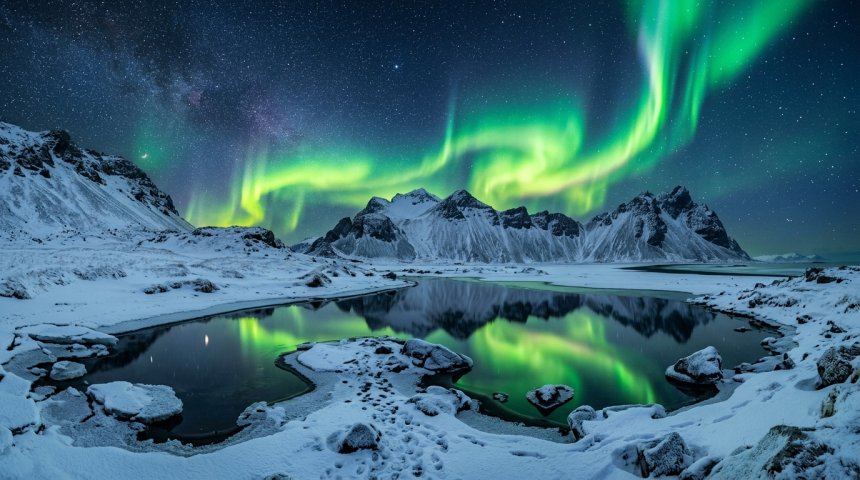
Did you know that on average, the Northern Lights appear visible for about 200 nights a year in Iceland? This astonishing figure highlights why this island nation has become one of the premier destinations on Earth to witness the breathtaking phenomenon of the Aurora Borealis. More than just a light show, the Northern Lights are a profound reminder of the universe's power and beauty, a celestial ballet painted across the night sky. Iceland, with its strategic location, minimal light pollution in many areas, and dramatic landscapes, offers a truly unparalleled stage for this natural wonder.
This article will delve deep into the magic of the Northern Lights in Iceland. We'll explore what causes this magnificent display, the best times and places to see it, how to maximize your chances of a sighting, and the unique cultural significance it holds for Icelanders. Whether you're a seasoned aurora hunter or simply dreaming of witnessing this spectacle, prepare to be captivated by the ethereal dance of lights in the Icelandic sky.
Understanding the Science Behind the Aurora Borealis
The Northern Lights, or Aurora Borealis, are not a product of magic, but rather a stunning display of physics at play. Understanding the science makes the experience even more profound. It all begins with our Sun, a star that is constantly emitting a stream of charged particles, primarily electrons and protons. This stream is known as the solar wind.
The Sun's Role: Solar Wind and Coronal Mass Ejections
The Sun's surface is a turbulent place. Periodically, immense eruptions occur, releasing vast amounts of plasma and magnetic field into space. These are called Coronal Mass Ejections (CMEs). Even on calmer days, the Sun continuously ejects charged particles that travel outward in all directions. These particles are incredibly energetic and carry with them the Sun's magnetic field.
When this solar wind reaches Earth, it encounters our planet's own magnetic field, the magnetosphere. The magnetosphere acts as a protective shield, deflecting most of the charged particles away from Earth. However, it's not a perfect shield. The magnetosphere is weaker at the North and South magnetic poles.
Earth's Magnetic Field: A Cosmic Funnel
Think of Earth's magnetic field like a giant, invisible bubble surrounding our planet. This bubble is generated by the molten iron core deep within the Earth. The magnetic field lines emerge from the south magnetic pole and loop around to enter the north magnetic pole.
The charged particles from the Sun are guided by these magnetic field lines. When the solar wind interacts with the magnetosphere, some of these particles become trapped and are channeled towards the polar regions. The areas around the magnetic poles are where the magnetosphere is most vulnerable to the solar wind's impact.
Collisions in the Atmosphere: The Birth of Light
As these energetic charged particles from the Sun are funneled down towards the Earth's poles, they collide with gas molecules in our upper atmosphere, primarily nitrogen and oxygen. These collisions excite the atoms and molecules, meaning they gain energy.
When these excited atoms and molecules return to their normal state, they release this excess energy in the form of light. The color of the light depends on the type of gas molecule and the altitude at which the collision occurs.
- Green Light: The most common color of the aurora is green. This is produced by oxygen atoms at altitudes of about 100 to 300 kilometers.
- Red Light: Red auroras are also caused by oxygen, but at higher altitudes, typically above 300 kilometers. These are rarer and often appear at the top of the aurora curtain.
- Blue and Purple Light: These colors are generated by nitrogen molecules, usually at lower altitudes, below 100 kilometers. They are less frequently seen and can appear at the bottom of the aurora.
The dynamic movement of the charged particles and the varying densities and compositions of atmospheric gases create the mesmerizing, dancing patterns we associate with the Northern Lights. It's a constant, energetic interaction between the Sun and our planet.
When and Where to Chase the Aurora in Iceland
Iceland's location makes it a prime spot for aurora viewing, but timing and location are crucial for a successful chase. The aurora is a natural phenomenon, and while we can predict solar activity to some extent, there's no guarantee of a sighting. However, knowing the optimal conditions significantly increases your chances.
The Aurora Season: Autumn to Spring
The Northern Lights are visible year-round, but they are only truly visible when the sky is dark enough. This is why the prime aurora season in Iceland runs from late September to late March. During these months, the nights are long, providing ample darkness for the aurora to shine.
- Autumn (September - October): The days are still relatively long, but the nights are growing longer and darker. The weather can be more unpredictable, but there's a chance of clearer skies. The landscape is also beautiful with autumn colors.
- Winter (November - February): These are the months with the longest nights, offering the most darkness. However, winter in Iceland also brings the highest chance of cloud cover and stormy weather. Temperatures are also at their coldest. Despite the challenges, the deep darkness of winter can produce spectacular displays if the skies are clear.
- Spring (March): As spring arrives, daylight hours begin to increase. However, March still offers significant periods of darkness, and the chances of clear skies can be better than in the dead of winter. The snow-covered landscapes can provide a beautiful foreground for aurora photography.
Key Factors for a Good Sighting
Beyond the season, several factors contribute to a good aurora viewing experience:

- Darkness: As mentioned, this is paramount. You need to be away from city lights and any other sources of light pollution. The darker the sky, the more vibrant the aurora will appear.
- Clear Skies: Clouds are the aurora hunter's nemesis. Even if there's intense solar activity, thick clouds will obscure the view. Checking weather forecasts diligently is essential.
- Solar Activity: The intensity of the aurora is directly related to the activity on the Sun. Geomagnetic storms, often caused by CMEs, enhance the aurora's brightness and visibility. Organizations like the Icelandic Met Office provide aurora forecasts based on solar activity.
- Moon Phase: A full moon can wash out fainter auroras, making them harder to see. While you can still see strong auroras during a full moon, a new moon or a crescent moon is ideal for optimal viewing.
Best Locations in Iceland for Aurora Viewing
While you can see the Northern Lights anywhere in Iceland away from light pollution, certain locations are particularly popular and offer unique advantages:
- Reykjavík Outskirts: Even within a short drive from the capital, you can escape the city lights. Places like Grótta lighthouse, Seltjarnarnes, or heading towards Þingvellir National Park offer darker skies.
- Þingvellir National Park: This UNESCO World Heritage site is not only historically significant but also offers a relatively dark sky and stunning geological formations that can serve as a dramatic backdrop for aurora photography. It's easily accessible from Reykjavík.
- South Coast: The South Coast of Iceland is renowned for its dramatic landscapes, including waterfalls like Skógafoss and Seljalandsfoss, black sand beaches, and glaciers. These natural wonders, set against a dark sky, create incredibly photogenic aurora scenes. Towns like Vík are popular bases.
- Snæfellsnes Peninsula: Often called "Iceland in Miniature," this peninsula boasts diverse landscapes, including mountains, coastlines, and the iconic Kirkjufell mountain. Kirkjufell is one of the most photographed mountains in Iceland, and seeing the aurora dance above it is a dream for many photographers.
- North Iceland: Regions like Lake Mývatn and Akureyri offer excellent aurora viewing opportunities. The landscape around Mývatn is stark and volcanic, providing a unique setting. Akureyri, Iceland's "Capital of the North," is a good base with access to darker areas nearby.
- Westfjords: This remote and rugged region offers some of the darkest skies in Iceland. While more challenging to access, the reward is a truly wild and unpolluted aurora experience.
Pro Tip: Consider joining an organized Northern Lights tour. These tours are led by experienced guides who know the best locations and can track weather and aurora forecasts. They often provide transportation, hot drinks, and expert advice, maximizing your chances and comfort.
Maximizing Your Chances: Tips for Aurora Hunters
Witnessing the Northern Lights is a matter of luck, but a bit of preparation and knowledge can significantly improve your odds. Here are some key tips for anyone hoping to see this celestial spectacle in Iceland:
1. Monitor Aurora Forecasts Religiously
The Aurora Borealis is driven by solar activity. Keeping an eye on aurora forecasts is crucial. Several websites and apps provide real-time aurora predictions.
- Icelandic Met Office (Veðurstofa Íslands): This is the official source for weather and aurora forecasts in Iceland. They provide a daily aurora forecast, rating the expected activity on a scale of 0 to 9. A rating of 3 or higher is generally considered good for viewing.
- Space Weather Prediction Center (SWPC): While not Iceland-specific, the SWPC provides global space weather information, including geomagnetic storm forecasts, which directly influence aurora activity.
- Aurora Apps: Numerous mobile apps aggregate data from various sources to give you aurora forecasts and alerts.
What to look for: Pay attention to the Kp-index. This is a scale from 0 to 9 that measures geomagnetic activity. A higher Kp-index generally means a stronger and more widespread aurora. However, even a low Kp-index can produce beautiful displays if you are in a prime location.
2. Check the Weather Forecast Relentlessly
Even the most powerful aurora display will be hidden behind thick clouds. Therefore, checking the weather forecast is just as important as checking the aurora forecast.
- Icelandic Met Office: Again, en.vedur.is/ is your best friend for detailed weather predictions across Iceland. Look for areas with clear skies predicted.
- Cloud Cover Maps: Many weather websites offer cloud cover maps that visually show where clear skies are expected.
Strategy: If you have a rental car and a few nights, be flexible. If one night is predicted to be cloudy in the south, consider driving north or west to find clearer skies, provided you have enough daylight to travel safely and are comfortable driving in Icelandic conditions.
3. Embrace the Darkness: Get Away from Lights
The single most effective way to see the Northern Lights is to escape light pollution. This means leaving towns and cities behind.
- Rural Areas: Iceland has vast unpopulated areas. Driving even 20-30 minutes outside of Reykjavík can make a significant difference.
- Designated Dark Sky Areas: While Iceland doesn't have official International Dark Sky Reserves like some other countries, many national parks and remote regions offer excellent dark skies. Þingvellir National Park and areas in the Westfjords are good examples.
- Tour Operators: Guided tours are excellent for this, as they know the best spots and will take you away from any potential light sources.
4. Dress Appropriately: Layers are Key
Icelandic weather in the aurora season is notoriously cold and unpredictable. You'll likely be standing outside for extended periods, often in windy conditions, waiting for the lights.
- Thermal Base Layers: Start with merino wool or synthetic base layers that wick away moisture.
- Insulating Middle Layers: Fleece or down jackets provide warmth.
- Waterproof and Windproof Outer Shell: This is essential to protect you from rain, snow, and the biting wind.
- Extremities: Don't forget warm, waterproof boots, thick wool socks, a warm hat that covers your ears, and insulated gloves or mittens.
- Hand and Foot Warmers: These can be a lifesaver on particularly cold nights.
5. Be Patient and Persistent
The Northern Lights are elusive. They can appear suddenly and disappear just as quickly. Sometimes, they are faint smudges that gradually intensify. Other times, they are vibrant curtains dancing across the sky.
- Give it Time: Don't expect to see them immediately. Spend at least a couple of hours outside in a dark location.
- Multiple Nights: Plan to stay in Iceland for at least 3-4 nights, ideally longer, to increase your chances. This allows you to account for cloudy nights or periods of low solar activity.
- Look Up Frequently: Even if you're waiting, keep glancing up. The aurora can appear in unexpected moments.
6. Photography Tips (If You're into That!)
Capturing the aurora on camera can be incredibly rewarding. Here are some basic tips:
- Tripod: Absolutely essential. You'll be using long exposure times, so a stable tripod is a must.
- Camera Settings:
- Manual Mode: You'll need to control settings manually.
- Aperture: Use the widest aperture your lens allows (e.g., f/2.8, f/4) to let in as much light as possible.
- Shutter Speed: Start with 15-20 seconds. Adjust based on the aurora's intensity and your camera's ISO. Too long, and stars will streak; too short, and the aurora will be faint.
- ISO: Start with ISO 800 or 1600 and adjust upwards if needed. Higher ISOs can introduce noise.
- Focus: Set your lens to manual focus and focus on infinity. Many lenses have an infinity mark, but it's often best to fine-tune by looking at a distant light source on your camera's screen.
- Remote Shutter Release: This prevents camera shake when you press the shutter button.
- Extra Batteries: Cold weather drains batteries quickly. Bring spares and keep them warm in an inside pocket.
- Spare Memory Cards: You don't want to run out of space.
7. Consider a Tour
As mentioned before, guided tours can significantly enhance your experience. They provide:
- Expertise: Guides know the best viewing spots and understand aurora forecasts.
- Transportation: They handle the driving, allowing you to focus on the sky.
- Comfort: Many tours offer hot drinks and blankets.
- Photography Assistance: Some guides offer photography tips.
By combining these strategies, you'll be well-prepared for your Icelandic aurora adventure. Remember, flexibility, patience, and a good sense of humor are your best allies!
The Aurora in Icelandic Culture and Folklore
The Northern Lights have captivated human imagination for millennia, and Iceland is no exception. For centuries, before the scientific understanding of the aurora, these celestial displays were woven into the fabric of Icelandic folklore, mythology, and spiritual beliefs. These traditions offer a fascinating glimpse into how our ancestors interpreted the natural world.
Ancient Beliefs and Mythology
In Norse mythology, which heavily influenced early Icelandic culture, the aurora was often associated with the gods and the afterlife.
- Bifröst Bridge: One popular belief was that the shimmering lights were the Bifröst Bridge, a rainbow bridge connecting Midgard (Earth) to Asgard (the realm of the gods). Warriors who died bravely in battle were said to cross this bridge to Valhalla. The vibrant colors of the aurora would have naturally lent themselves to the imagery of a celestial bridge.
- Valkyries' Armor: Another interpretation linked the lights to the Valkyries, female figures who chose the slain warriors destined for Valhalla. It was thought that the flickering lights were reflections from the Valkyries' armor as they rode across the sky.
- Spirits and Souls: In other traditions, the aurora was seen as the spirits of the dead dancing in the sky, or as signals from the spirit world. This could be both awe-inspiring and slightly fearful, depending on the context.
Folklore and Superstitions
As time passed, these grand mythological interpretations evolved into more localized folklore and superstitions among the Icelandic people, particularly those living in more remote areas.
- Good or Bad Omens: The appearance and behavior of the aurora were often interpreted as omens. A bright, fast-moving aurora might be seen as a sign of good fortune or an impending significant event. Conversely, a dim or erratic display could be viewed with apprehension.
- Sounds and Whispers: Some folklore suggested that the aurora could be heard, emitting faint crackling or whispering sounds. While science attributes sounds sometimes heard during intense auroras to electrostatic discharge, ancient peoples interpreted these as voices or messages from the spirit realm.
- Childhood Warnings: In some families, children were warned not to whistle at the Northern Lights, as it was believed this could anger the lights or attract them closer, potentially bringing misfortune. Others believed that waving at the lights could bring good luck or elicit a response.
Modern Interpretations and Cultural Significance
While Icelanders today largely understand the scientific basis of the aurora, these ancient beliefs and the sheer wonder of the phenomenon continue to hold cultural significance.
- National Identity: The Northern Lights have become a powerful symbol of Iceland's unique natural beauty and allure. They are a major draw for tourism and are deeply integrated into the country's image on the world stage.
- Art and Literature: The aurora continues to inspire Icelandic artists, musicians, and writers. It appears in paintings, poems, songs, and stories, reflecting its enduring mystery and beauty.
- Tourism and Economy: The economic impact of aurora tourism is substantial. Many businesses, from tour operators to hotels and restaurants, cater to visitors hoping to witness the lights. This economic reliance reinforces the aurora's importance to modern Iceland.
- Awe and Connection: For many Icelanders and visitors alike, seeing the aurora is a deeply moving experience. It fosters a sense of connection to nature, the cosmos, and the ancient traditions that have interpreted these lights for centuries. It's a reminder of our place in a vast and wondrous universe.
The Northern Lights in Iceland are more than just a scientific marvel; they are a living part of the country's cultural heritage, connecting the present with a rich tapestry of myths, legends, and enduring awe.
Planning Your Icelandic Aurora Adventure: Practical Considerations
Embarking on a journey to Iceland to witness the Northern Lights requires careful planning. Beyond understanding the science and folklore, practical logistics play a significant role in ensuring a smooth and enjoyable experience.
Travel Dates and Duration
As discussed, the aurora season runs from late September to late March.
- Optimal Timing: Many consider the period from November to February to be ideal due to the longest nights, but this also comes with the highest risk of cloud cover and harsh weather. Shoulder months like October, November, and March can offer a good balance of darkness and potentially more stable weather.
- Duration: To maximize your chances, aim for a trip of at least 4-5 nights. This allows buffer days for potential weather issues and gives you multiple opportunities to hunt for the lights. A week-long trip provides even more flexibility.
Accommodation Options
Where you stay can influence your aurora experience.
- Reykjavík Hotels: Staying in Reykjavík is convenient for accessing tours, restaurants, and city attractions. However, you'll need to travel outside the city to escape light pollution for optimal viewing. Many hotels offer aurora wake-up calls if the lights are spotted.
- Rural Guesthouses and Farm Stays: For a more immersive experience, consider staying in the countryside. Many guesthouses are located in areas with minimal light pollution, allowing you to step outside your accommodation and potentially see the aurora without a long drive. Some even offer dedicated aurora viewing areas.
- Remote Cabins and Cottages: Renting a secluded cabin or cottage provides the ultimate privacy and darkest skies. This option is ideal for photographers and those seeking a truly tranquil experience.
- Tour Packages: Many tour operators offer packages that include accommodation, tours, and sometimes even car rental, simplifying the planning process.
Transportation
How you get around Iceland will impact your flexibility.
- Rental Car: Renting a car offers the most freedom and flexibility. You can chase clear skies, stop at scenic spots, and explore at your own pace. However, driving in Iceland during winter can be challenging. Roads can be icy, snowy, and windy. Always check road conditions on road.is before setting out, and ensure you have appropriate tires (winter tires are mandatory during winter months). A 4x4 vehicle is recommended for winter travel, especially if venturing off main routes.
- Guided Tours: If you prefer not to drive, numerous guided Northern Lights tours operate from Reykjavík and other towns. These tours take care of transportation and navigation, allowing you to relax and enjoy the hunt. Day tours exploring various regions also often include aurora hunting in the evening.
- Public Transport: While Iceland has a bus system, it's not ideal for aurora hunting as it doesn't offer the flexibility needed to chase clear skies or reach remote viewing locations.
What to Pack (Beyond Aurora Gear)
Iceland demands specific clothing, even outside of your aurora-watching needs.
- Waterproof Everything: Iceland's weather is famously wet. Waterproof jacket, trousers, and sturdy, waterproof boots are essential.
- Warm Layers: As mentioned earlier, thermal base layers, fleece, and down are crucial.
- Swimsuit: Iceland has numerous geothermal pools and hot springs (like the Blue Lagoon, Secret Lagoon, or local swimming pools). Don't miss the chance to relax in the warm waters, even in winter.
- Sunscreen and Sunglasses: Even in winter, the sun can be strong, especially reflecting off snow and ice.
- Power Bank/Portable Charger: Essential for keeping phones and cameras charged on the go.
- Adapter: Iceland uses Type F sockets (European standard).
Budget Considerations
Iceland can be an expensive destination. Planning your budget is important.
- Flights: Book flights in advance for better prices.
- Accommodation: Rural guesthouses or self-catering options can be more budget-friendly than hotels in Reykjavík.
- Food: Eating out can be costly. Consider self-catering some meals or opting for less touristy cafes and bakeries. Supermarkets like Bónus and Krónan are good for budget shopping.
- Activities: Northern Lights tours, glacier hikes, whale watching, and entrance fees to attractions can add up. Prioritize what's most important to you.
- Car Rental: Factor in rental costs, insurance, and fuel.
Safety First
- Road Conditions: Always check road.is for real-time road conditions and closures, especially during winter.
- Weather Warnings: Pay attention to severe weather warnings from the Icelandic Met Office.
- Emergency Number: Iceland's emergency number is 112.
- Inform Someone: If you are venturing out on your own, especially for hiking or driving in remote areas, let someone know your plans and expected return time.
- Respect Nature: Stick to marked paths, especially near geothermal areas or cliffs. Do not disturb wildlife.
By carefully considering these practical aspects, you can lay the groundwork for a successful and memorable Northern Lights adventure in Iceland. The planning itself is part of the excitement, building anticipation for the magical displays that await you.
Beyond the Lights: Experiencing Iceland in Winter
While the Northern Lights are undoubtedly the star attraction for many visitors during the darker months, Iceland offers a wealth of other experiences that make a winter trip truly unforgettable. The stark beauty of the Icelandic landscape transforms into a winter wonderland, providing a unique and adventurous backdrop.
The Golden Circle in Winter
The classic Golden Circle route, comprising Þingvellir National Park, the Geysir geothermal area, and Gullfoss waterfall, is accessible year-round and offers a different kind of magic in winter.
- Þingvellir National Park: The rift valley between the North American and Eurasian tectonic plates is often dusted with snow, creating a serene and dramatic landscape. The historical significance of the Alþingi (parliament) site is palpable even in the cold.
- Geysir Geothermal Area: Witnessing the Strokkur geyser erupt, sending superheated water high into the crisp winter air, is a spectacular sight. The steam rising from the hot springs contrasts beautifully with the icy surroundings.
- Gullfoss Waterfall: This mighty waterfall can be partially frozen in winter, with ice formations clinging to its edges. The sheer power of the water cascading into the canyon is awe-inspiring, and the mist can create dazzling ice sculptures.
Geothermal Wonders: Hot Springs and Pools
Iceland is a land of geothermal activity, and winter is the perfect time to experience its natural hot springs and heated swimming pools.
- The Blue Lagoon: While touristy, the iconic Blue Lagoon offers a unique experience of soaking in milky-blue, mineral-rich waters amidst a lava field, often with steam rising into the cold air.
- Secret Lagoon (Gamla Laugin): Located near Fludir, this is one of Iceland's oldest swimming pools and offers a more rustic and natural hot spring experience.
- Local Swimming Pools (Sundlaugar): Almost every town in Iceland has a geothermally heated public swimming pool. These are fantastic places to relax like a local, often featuring hot pots (smaller, hotter tubs) and saunas. It’s an affordable and authentic Icelandic experience.
Glacier Adventures
Iceland's glaciers cover a significant portion of the island and offer thrilling adventure opportunities.
- Glacier Hiking: Guided glacier hikes allow you to safely explore the icy landscapes, crampons and ice axes provided. You can discover ice caves, crevasses, and stunning glacial formations. Popular locations include Sólheimajökull and Vatnajökull.
- Ice Caving: Natural ice caves form within glaciers during the winter months. These ephemeral caves, with their crystal-clear blue ice, are breathtakingly beautiful and offer incredible photography opportunities. Tours are essential for safety.
- Snowmobiling: For a faster-paced adventure, snowmobiling tours on glaciers like Langjökull or Mýrdalsjökull offer exhilarating rides across the vast ice caps.
South Coast Exploration
The South Coast is renowned for its dramatic scenery, which takes on a special charm in winter.
- Black Sand Beaches: Reynisfjara beach, with its basalt columns and powerful waves, is a dramatic sight in winter. Be extremely cautious of the dangerous sneaker waves.
- Waterfalls: Skógafoss and Seljalandsfoss waterfalls are often framed by ice and snow. Walking behind Seljalandsfoss, though potentially slippery, offers a unique perspective.
- Jökulsárlón Glacier Lagoon and Diamond Beach: Witnessing icebergs calve from the glacier and float in the lagoon is mesmerizing. Across the road, smaller ice chunks wash ashore on the black sand of Diamond Beach, sparkling like diamonds.
Wildlife Encounters
While many migratory birds leave in winter, opportunities to see Iceland's wildlife remain.
- Whale Watching: Tours still operate from Reykjavík and other coastal towns, though sightings may be less frequent than in summer. However, the winter light can make for dramatic scenery.
- Icelandic Horses: These sturdy and beautiful creatures are found throughout the countryside and are a joy to see against snowy backdrops.
- Puffins: Puffins are generally only present from May to August, so they are not a winter wildlife option.
Reykjavik and Cultural Experiences
Even the capital city has its winter charm.
- Festivals and Events: Iceland hosts various festivals and events throughout the winter, including Christmas markets, New Year's celebrations, and the midwinter festival Þorrablót.
- Museums and Galleries: Explore Iceland's rich history and art scene in its numerous museums and galleries.
- Cozy Cafes and Restaurants: Enjoy Icelandic cuisine and warm beverages in the city's many cozy cafes and restaurants.
A winter trip to Iceland, centered around the aurora, offers a multifaceted adventure. It’s a chance to experience the raw, untamed beauty of nature in its most dramatic form, combining celestial wonders with earthly adventures.
Conclusion
Iceland, a land sculpted by fire and ice, offers one of the most captivating stages on Earth for nature's most dazzling light show: the Aurora Borealis. From late September to late March, the long, dark nights provide a canvas for the Sun's charged particles to dance with our atmosphere, painting the sky in hues of green, red, and purple.
Understanding the science behind this phenomenon, from solar winds to atmospheric collisions, only deepens the appreciation for this celestial spectacle. While the aurora's presence is dictated by solar activity and clear skies, Iceland's strategic location and vast, unpolluted landscapes significantly enhance viewing opportunities. Whether venturing to the remote Westfjords, the dramatic South Coast, or the iconic Snæfellsnes Peninsula, the pursuit of the Northern Lights becomes an adventure in itself.
Maximizing your chances involves diligent monitoring of aurora and weather forecasts, embracing the darkness away from city lights, and dressing warmly for the unpredictable Icelandic climate. Patience and persistence are key, as is the willingness to explore.
Beyond the aurora, Iceland in winter unfolds a world of frozen waterfalls, steaming geothermal pools, breathtaking glacier landscapes, and the unique charm of its capital, Reykjavík. The cultural echoes of ancient myths and folklore surrounding the lights add another layer of enchantment to the experience.
A trip to Iceland for the Northern Lights is more than just a vacation; it's an immersion into the raw power and profound beauty of the natural world. It’s an opportunity to connect with the cosmos, embrace adventure, and witness a phenomenon that has inspired wonder for centuries. As the lights flicker and dance, they remind us of the universe's grand design and the magic that awaits those who venture into the wild, dark nights.
Frequently Asked Questions
When is the best time of year to see the Northern Lights in Iceland?
The best time to see the Northern Lights in Iceland is during the winter months, from late September to late March. This period offers the longest hours of darkness, which is essential for viewing the aurora. While the darkest months are November through February, the shoulder months of October, November, and March can sometimes offer a better balance of darkness and potentially more stable weather conditions.
Do I need to go on a guided tour to see the Northern Lights?
No, you do not have to go on a guided tour, but it is highly recommended, especially if you are unfamiliar with Iceland or winter driving. Guided tours have experienced guides who know the best viewing locations, track weather and aurora forecasts closely, and handle the transportation. This significantly increases your chances of a successful sighting and allows you to relax and enjoy the experience without the stress of driving in potentially difficult conditions. If you rent a car, ensure you are comfortable driving in winter and always check road conditions.
What are the main colors of the Northern Lights and what causes them?
The most common color of the Northern Lights is green, caused by oxygen atoms at altitudes of about 100-300 kilometers. Red auroras are also produced by oxygen, but at higher altitudes (above 300 kilometers), and are less common. Blue and purple lights are generated by nitrogen molecules at lower altitudes (below 100 kilometers). The specific colors depend on the type of gas molecule being hit by the charged particles and the altitude at which the collision occurs.
Is it possible to see the Northern Lights from Reykjavík?
It is possible to see the Northern Lights from Reykjavík, but your chances are significantly reduced due to light pollution. The bright city lights obscure the fainter glows of the aurora. To get the best view, you need to travel at least 20-30 minutes outside the city center to darker, rural areas. Popular spots just outside Reykjavík include Grótta lighthouse or areas around Þingvellir National Park.
How cold is it typically when hunting for the Northern Lights in Iceland?
Temperatures during the aurora season (late September to late March) can vary significantly, but it is generally cold. In winter (November-February), temperatures can range from just above freezing (0°C or 32°F) down to -10°C to -20°C (14°F to -4°F) or even colder, especially with wind chill. In autumn and spring, temperatures might be milder, closer to freezing. It is crucial to dress in multiple warm layers, including waterproof and windproof outer gear, to stay comfortable while waiting for the lights.
Share
What's Your Reaction?
 Like
0
Like
0
 Dislike
0
Dislike
0
 Love
0
Love
0
 Funny
0
Funny
0
 Angry
0
Angry
0
 Sad
0
Sad
0
 Wow
0
Wow
0