Ultimate Olympic National Park, Washington: Explore 3 Ecosystems
Discover Olympic National Park, Washington's diverse mountain, rainforest, and coast. Plan your 2026 visit to this UNESCO World Heritage Site!

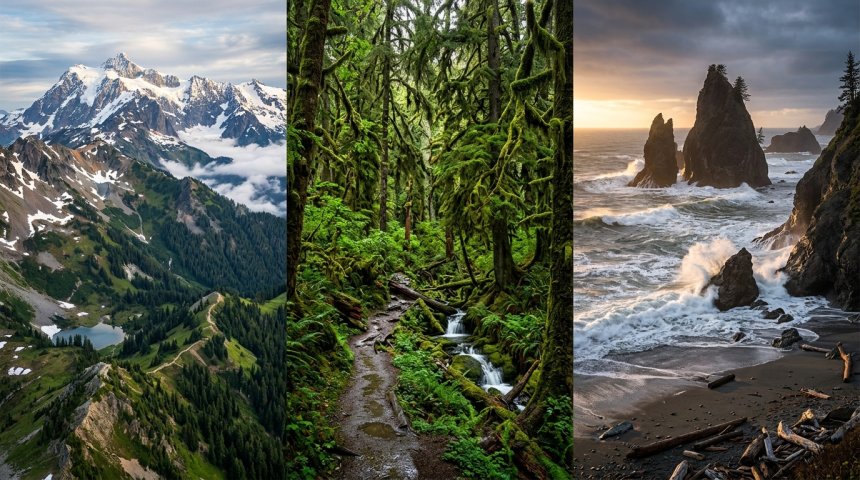
Did you know that Olympic National Park in Washington State protects three distinct ecosystems within a single park boundary? This incredible diversity means you can experience everything from rugged Pacific coastline and temperate rainforests to snow-capped mountains, all within a few hours' drive. In 2026, this UNESCO World Heritage Site continues to draw visitors eager to witness its wild beauty, offering a profound connection to nature that’s increasingly rare in our modern world. This article delves into the magic of Olympic National Park, exploring its unique landscapes, the wildlife that calls it home, the best ways to experience its wonders, and essential tips for planning your unforgettable visit.
The Three Jewels: Mountains, Rainforests, and Coastline
The park's designation as a World Heritage Site in 1981, and later as an International Biosphere Reserve, speaks to its global significance. This recognition stems from its exceptional natural beauty and the remarkable preservation of its diverse natural environments. Olympic National Park isn't just one place; it's a mosaic of environments, each with its own character and allure.
The Majestic Mountains: Alpine Peaks and Glacial Valleys
Dominating the park's interior are the Olympic Mountains, a range often overlooked by those on the West Coast, yet possessing a wild, untamed grandeur. The highest point, Mount Olympus, stands at 7,965 feet (2,428 meters), its summit often shrouded in clouds or gleaming with snow. These mountains are a testament to geological forces, carved by ancient glaciers that left behind U-shaped valleys, cirques, and pristine alpine lakes.
- Hurricane Ridge: Perhaps the most accessible mountain experience, Hurricane Ridge offers panoramic views of the Olympic range, the Strait of Juan de Fuca, and even Vancouver Island on clear days. Roads wind up to the visitor center, making it a popular destination for families and those seeking breathtaking vistas without strenuous hiking. In winter, it transforms into a snowy wonderland, offering opportunities for snowshoeing and cross-country skiing. The sheer scale of the mountain panorama from here is awe-inspiring.
- The High Divide: For the more adventurous, the High Divide offers a challenging but incredibly rewarding backpacking experience. This route circumnavigates the heart of the Olympic Mountains, providing unparalleled views of Mount Olympus and the surrounding peaks. Along the way, hikers encounter alpine meadows bursting with wildflowers in summer, and the chance to spot Roosevelt elk and black bears.
- Lake Crescent: Nestled at the foot of the northern Olympic Mountains, Lake Crescent is a stunningly clear, deep lake of glacial origin. Its vibrant blue waters are surrounded by dense forests and steep slopes. The lake itself is a popular spot for swimming, kayaking, and fishing, while the surrounding trails offer opportunities for moderate hikes, including the iconic Marymere Falls trail.
The alpine regions of the park are characterized by subalpine meadows, rocky slopes, and snowfields that persist well into the summer months. These areas are home to hardy flora and fauna adapted to the harsh conditions, including marmots, pikas, and a variety of wildflowers that create a colorful carpet in July and August.
The Enchanted Rainforests: Moss-Draped Giants
West of the mountain ranges lie the park's legendary temperate rainforests, some of the finest examples remaining in the United States. These are not your typical sun-drenched forests; they are places of deep shadow, dripping moisture, and an overwhelming sense of ancient life. The Hoh Rain Forest and the Quinault Rain Forest are the most famous, each offering a unique immersion into this verdant world.
- The Hoh Rain Forest: This is perhaps the most iconic of Olympic's rainforests, renowned for its colossal Sitka spruce and Western hemlock trees, some reaching heights of over 300 feet (91 meters). The air is thick with humidity, and almost every surface – from tree trunks and branches to the forest floor – is covered in a lush carpet of mosses, lichens, and ferns. The Hall of Mosses and the Spruce Nature Trail are short, accessible loops that showcase the incredible density and beauty of this ecosystem. It feels like stepping into a prehistoric world.
- The Quinault Rain Forest: Located in the southwestern part of the park, the Quinault is often described as "the Switzerland of America." It boasts the largest Sitka spruce in the world, a truly monumental tree that dwarfs even the surrounding giants. The Quinault River winds through the valley, and the area is dotted with waterfalls and serene lakes. The Quinault Loop Drive offers access to various trailheads and viewpoints.
- The Bogachiel River Valley: While less visited than the Hoh or Quinault, the Bogachiel offers a similarly lush rainforest experience, with towering trees and a rich understory. It provides a more secluded encounter with the park's ancient forests.
The defining characteristic of these rainforests is the extreme precipitation they receive, averaging over 140 inches (3,556 mm) annually in some areas. This moisture fuels the incredible growth of epiphytes – plants that grow on other plants – creating the signature moss-draped appearance. The decomposition of fallen trees and organic matter creates a nutrient-rich environment, supporting a complex web of life.
The Wild Coastline: Rugged Shores and Tidal Wonders
Stretching for over 70 miles (112 km) along the Pacific Ocean, Olympic's coastline is a rugged, untamed frontier. Unlike the manicured beaches found elsewhere, these shores are wild, dramatic, and teeming with life. Sea stacks rise from the surf, driftwood logs are scattered like fallen giants, and tide pools reveal a hidden world of marine creatures.
- Rialto Beach: Famous for its dramatic sea stacks, including Hole-in-the-Wall, Rialto Beach is a popular destination for day hikers and photographers. The walk to Hole-in-the-Wall is a moderate 3.5-mile (5.6 km) round trip, best attempted during low tide. The sheer scale of the rocks and the power of the ocean are palpable here.
- La Push Beaches (First, Second, and Third Beach): Accessible via the Quileute Reservation, these beaches offer stunning examples of the park's coastal beauty. Second Beach, in particular, is renowned for its sea stacks and the short, forest-lined trail leading to the shore. These are places where the forest meets the sea in a spectacular display.
- Kalaloch Beach: Known for its iconic "Tree of Life," a Sitka spruce clinging precariously to a eroding bluff, Kalaloch is a must-visit. The campground here offers a unique opportunity to sleep within earshot of the crashing waves. The beach itself is a great place to explore tide pools during low tide, revealing starfish, anemones, and crabs.
- Ozette Lake and Cape Alava: This area offers a more remote coastal experience, requiring a 3-mile (4.8 km) hike through the forest to reach the coast. The reward is a pristine beach dotted with petroglyphs and the opportunity to explore extensive tide pools.
The Pacific coastline is a dynamic environment, shaped by the relentless power of the ocean. Storms can dramatically alter the landscape, and the constant ebb and flow of the tides create unique habitats. During low tide, the rocky intertidal zones come alive, revealing a vibrant ecosystem that is a highlight for many visitors.
Wildlife of Olympic: A Diverse Array of Residents
Olympic National Park is not just about stunning landscapes; it's also a sanctuary for a remarkable array of wildlife. The park's varied ecosystems support a diverse fauna, from the iconic Roosevelt elk to the smallest of tide pool creatures.
Mammals: From Majestic Elk to Elusive Predators
The park is perhaps most famous for its Roosevelt elk (Cervus canadensis roosevelti), the largest subspecies of elk in North America. These majestic animals are a common sight in the park's valleys and meadows, particularly in the Hoh and Quinault rainforests. During the autumn rut, the haunting calls of bull elk echo through the forests, a truly unforgettable experience. A healthy population of Roosevelt elk is a testament to the park's successful conservation efforts.
Other notable mammals include:
- Black bears (Ursus americanus): While generally shy, black bears are present throughout the park. Visitors should always practice bear safety, including proper food storage. They are often seen foraging in berry patches or near streams.
- Black-tailed deer (Odocoileus hemionus columbianus): These graceful deer are frequently encountered along trails and roadsides.
- Olympic marmots (Marmota olympus): This endemic species, found only on the Olympic Peninsula, inhabits the alpine meadows. They are most active during the summer months and are a delight to spot sunning themselves on rocks.
- Cougars (Puma concolor): Elusive and rarely seen, cougars are the apex predators in the park. While they play a vital role in the ecosystem, encounters are exceptionally rare.
- Small mammals: The park also supports a variety of smaller mammals, including squirrels, chipmunks, raccoons, river otters, and the rare Olympic snow mole (Scapanus olympicus).
Birds: Feathered Jewels of Forest, Field, and Shore
Olympic National Park is a paradise for birdwatchers, with over 300 species recorded. The diverse habitats support a wide range of avian life.
- Forest Birds: In the rainforests, keep an eye out for the Marbled Murrelet (Brachyramphus marmoratus), a unique seabird that nests in old-growth forests. Other forest dwellers include various woodpeckers, thrushes, owls, and the Northern Spotted Owl (Strix occidentalis caurina), an endangered species that relies on old-growth forests.
- Alpine Birds: At higher elevations, you might spot White-tailed ptarmigan (Lagopus leucura), Clark's nutcrackers, and various finches.
- Coastal Birds: The Pacific coastline is a haven for seabirds. Bald eagles are a common sight, soaring overhead or perched on driftwood. Gulls, terns, cormorants, and guillemots are abundant. During migration seasons, the coast can also attract puffins and shearwaters.
Marine Life: Treasures of the Intertidal Zone
The park's coastal waters and tide pools are incredibly rich in marine life. During low tide, exploring these areas is like peering into a miniature world brimming with color and activity.

- Tide Pools: Look for sea stars (starfish) in a variety of colors, anemones, mussels, barnacles, crabs (including hermit crabs and shore crabs), and small fish darting among the rocks.
- Marine Mammals: Harbor seals and California sea lions are frequently seen along the coast. Occasionally, gray whales can be spotted migrating offshore during their spring and fall journeys. Sea otters are also present in some nearshore areas.
- Whale Watching: While not guaranteed, the waters off the Olympic coast are part of major migration routes for several whale species, offering a chance for truly spectacular sightings.
Experiencing Olympic National Park: Activities and Adventures
With its diverse landscapes, Olympic National Park offers a wealth of activities for every type of visitor, from the casual sightseer to the seasoned adventurer.
Hiking: Trails for Every Level
Hiking is arguably the best way to immerse yourself in the park's beauty. Whether you have an hour or a week, there's a trail for you.
-
Easy Walks:
- Hall of Mosses Trail (Hoh Rain Forest): A 0.8-mile (1.3 km) loop through the heart of the moss-draped forest. Perfect for families and those seeking a quick, impactful rainforest experience.
- Spruce Nature Trail (Hoh Rain Forest): A 1.2-mile (1.9 km) loop showcasing the massive Sitka spruce trees and offering views of the Hoh River.
- Marymere Falls Trail (Lake Crescent): A 1.8-mile (2.9 km) round trip through old-growth forest to a beautiful waterfall.
- Hurricane Hill Trail (Hurricane Ridge): A paved, 3.2-mile (5.1 km) round trip trail with stunning panoramic mountain views. Accessible for most fitness levels.
-
Moderate Hikes:
- Second Beach Trail (La Push): A 0.7-mile (1.1 km) walk through a magical forest to a spectacular beach with sea stacks.
- Rialto Beach to Hole-in-the-Wall: A 3.5-mile (5.6 km) round trip walk along the coast, best done at low tide.
- Sol Duc Falls Trail: A 1.6-mile (2.6 km) loop to a unique waterfall that splits into multiple streams.
-
Strenuous Hikes & Backpacking:
- High Divide Loop: A multi-day backpacking trip offering incredible alpine scenery. Requires permits and significant planning.
- Enchanted Valley Trail: A longer hike into a beautiful, remote valley known for its waterfalls and elk sightings.
- Staircase Rapids Loop: A longer hike that explores the old-growth forests along the Skokomish River.
Scenic Drives and Viewpoints
For those who prefer to explore by car, Olympic offers several breathtaking scenic drives.
- Hurricane Ridge Road: Ascends from Port Angeles to the dramatic alpine vistas of Hurricane Ridge. Open year-round, though subject to weather closures in winter.
- Lake Crescent Lodge Area: Offers access to stunning lake views, short hikes, and historic lodging.
- Pacific Coast Scenic Byway (Highway 101): This highway hugs the western edge of the park, providing access to coastal trailheads like Rialto Beach, La Push, and Kalaloch.
- Quinault Loop Drive: A scenic drive through the Quinault Valley, offering access to rainforest trails and viewpoints.
Water Activities: Lakes and Rivers
The park's pristine lakes and rivers are perfect for a variety of water-based activities.
- Lake Crescent: Popular for swimming, kayaking, canoeing, and fishing. Rentals are available at Lake Crescent Lodge.
- Lake Quinault: Offers opportunities for boating and fishing in a beautiful setting.
- Hoh River and Sol Duc River: While generally too swift for casual boating, these rivers are stunning to view from trails and bridges. Fly fishing is popular in designated areas.
Wildlife Viewing
With patience and a bit of luck, you can witness the park's incredible wildlife.
- Elk Viewing: The Hoh and Quinault valleys are prime locations for spotting Roosevelt elk, especially in the early morning or late evening.
- Birdwatching: Bring binoculars! The diverse habitats attract a vast array of bird species. Coastal areas and old-growth forests are particularly rewarding.
- Tide Pooling: The coastal areas of Rialto Beach, Second Beach, and Kalaloch are fantastic for exploring tide pools during low tide. Check tide charts before you go!
Photography
Olympic National Park is a photographer's dream. The dramatic contrasts between mountains, rainforests, and coastline offer endless opportunities for stunning shots.
- Rainforests: Capture the ethereal light filtering through moss-draped trees.
- Coastline: Photograph the powerful waves crashing against sea stacks, the textures of driftwood, and the vibrant colors of tide pools.
- Mountains: The panoramic vistas from Hurricane Ridge are iconic. Sunrise and sunset can create magical light conditions.
Planning Your Visit: Essential Tips for 2026
A successful trip to Olympic National Park requires some preparation. Here are key tips to ensure you make the most of your visit this year.
Best Time to Visit
Olympic National Park has something to offer year-round, but the best time to visit depends on your interests:
- Summer (July-August): This is the most popular time. Weather is generally dry and warm, especially in the mountains, making trails accessible. Wildflowers bloom in the alpine meadows. Expect crowds.
- Spring (April-June): Wildflowers begin to bloom at lower elevations, and waterfalls are at their peak due to snowmelt. Coastal areas are often pleasant, but mountain passes may still be snow-covered.
- Fall (September-October): The park is less crowded, and the autumn colors are beautiful in the forests. The elk rut is in full swing, offering a unique wildlife viewing opportunity. Coastal weather can be dramatic and beautiful.
- Winter (November-March): The coastal areas remain accessible and often experience mild, rainy weather. Hurricane Ridge offers snowshoeing and cross-country skiing opportunities. Many higher elevation trails and roads are closed due to snow.
Getting There and Around
Olympic National Park is located on the Olympic Peninsula in northwestern Washington State.
- Airports: The nearest major airports are Seattle-Tacoma International Airport (SEA) and Seattle Boeing Field (BFI). From Seattle, you can drive or take a ferry to reach the peninsula.
- Driving: A car is essential for exploring the park, as public transportation is very limited. The park is accessed via Highway 101, which circles the peninsula.
- Ferries: Washington State Ferries offer a scenic and often faster way to reach the peninsula from the Seattle area (e.g., Seattle to Bainbridge Island or Edmonds to Kingston).
Park Entrance Fees and Passes
- Olympic National Park requires an entrance fee. A 7-day pass costs $30 per vehicle.
- Consider purchasing an America the Beautiful Pass ($80 annually) if you plan to visit multiple national parks and federal recreation sites within a year. This pass covers entrance fees for a full year.
Accommodations
Lodging options range from historic lodges to campgrounds, both inside and outside the park.
- In-Park Lodging:
- Lake Quinault Lodge: Historic lodge on the shores of Lake Quinault.
- Lake Crescent Lodge: Another historic lodge offering beautiful lake views.
- Kalaloch Lodge: Coastal lodge with stunning ocean views.
- Rainforest Inn (Hoh): Rustic cabins located within the Hoh Rain Forest.
- Campgrounds: Numerous campgrounds are available throughout the park, including Hoh Campground, Kalaloch Campground, Sol Duc Campground, and Staircase Campground. Reservations are highly recommended, especially during peak season. Many are first-come, first-served.
- Outside the Park: Towns like Port Angeles, Forks, and Lake Quinault offer hotels, motels, and vacation rentals.
Safety and Preparedness
- Weather: Olympic's weather is notoriously variable. Be prepared for rain, sun, wind, and even snow, sometimes all in the same day. Layers are essential.
- Wildlife Safety: Maintain a safe distance from all wildlife. Never feed animals. Store food properly to avoid attracting bears. Be aware of your surroundings.
- Hiking Safety: Always tell someone your hiking plans. Carry a map, compass, and sufficient water and snacks. Wear appropriate footwear. Check trail conditions before heading out.
- Cell Service: Cell service is extremely limited or non-existent in most areas of the park. Download maps and information offline.
- Tides: If visiting the coast, always check the tide charts. Many coastal areas, like Hole-in-the-Wall, are inaccessible or dangerous at high tide.
Leave No Trace Principles
To help preserve the park's natural beauty for future generations, practice Leave No Trace principles:
- Plan ahead and prepare.
- Travel and camp on durable surfaces.
- Dispose of waste properly.
- Leave what you find.
- Minimize campfire impacts.
- Respect wildlife.
- Be considerate of other visitors.
Conclusion: A World Within a Park
Olympic National Park is more than just a destination; it's an experience that captivates the senses and rejuvenates the spirit. Its unparalleled ecological diversity, from the soaring peaks of the Olympic Mountains to the emerald depths of its temperate rainforests and the wild, untamed Pacific coastline, offers a profound connection to the natural world. Whether you seek adventure on a challenging trail, tranquility beside a pristine lake, or the simple wonder of observing wildlife in its natural habitat, Olympic delivers. As we navigate 2026, the park stands as a vital sanctuary, a reminder of the beauty and power of wild places. Planning a visit here is an investment in experiencing one of Earth's most precious natural treasures, a journey into a world where nature reigns supreme.
Frequently Asked Questions About Olympic National Park
What is the best time of year to visit Olympic National Park?
The best time to visit depends on what you want to experience. Summer (July-August) offers the warmest and driest weather, ideal for hiking all areas, including the mountains, and features blooming wildflowers. Fall (September-October) is less crowded, with beautiful autumn colors and the chance to witness the elk rut. Spring (April-June) brings peak waterfall flows and blooming wildflowers at lower elevations, though mountain passes may still be snow-covered. Winter (November-March) is ideal for coastal exploration and snow activities at Hurricane Ridge, but many higher elevation areas are inaccessible.
How much does it cost to enter Olympic National Park?
As of 2026, the entrance fee for Olympic National Park is $30 per vehicle, valid for 7 consecutive days. Alternatively, visitors can purchase an annual "America the Beautiful Pass" for $80, which grants access to all national parks and federal recreation lands for one year. This pass is a great value if you plan to visit multiple parks.
What are the must-see areas in Olympic National Park?
While the park is vast, some highlights are considered essential for a first-time visitor. These include: Hurricane Ridge for its spectacular mountain views, the Hoh Rain Forest for its iconic moss-draped trees and ancient atmosphere, and the Pacific Coastline (areas like Rialto Beach, Second Beach, or Kalaloch Beach) for its dramatic sea stacks and tide pools. Lake Crescent also offers stunning beauty and recreational opportunities.
Are there bears in Olympic National Park?
Yes, black bears (Ursus americanus) are present throughout Olympic National Park. While they are generally shy and avoid humans, it is crucial to practice bear safety. This includes storing food properly in bear-resistant containers or canisters, never feeding bears, and maintaining a safe distance if you encounter one. Always be aware of your surroundings, especially when hiking or camping.
Do I need a reservation to camp in Olympic National Park?
Reservations are highly recommended for most campgrounds within Olympic National Park, especially during the peak summer season (July and August) and on weekends. Popular campgrounds like Hoh, Kalaloch, and Sol Duc often fill up months in advance. Some smaller campgrounds or walk-in sites may operate on a first-come, first-served basis, but it's best to check the official National Park Service website for the most current reservation information and availability for the specific campground you wish to visit.
What kind of wildlife can I see in Olympic National Park?
Olympic National Park is home to a diverse range of wildlife. The most iconic resident is the Roosevelt elk, often seen in the park's valleys and meadows. You might also spot black bears, black-tailed deer, Olympic marmots (an endemic species found in the alpine regions), cougars (though very rarely seen), and various smaller mammals like squirrels and chipmunks. Birdwatchers will delight in species like bald eagles, marbled murrelets, and numerous seabirds along the coast. The tide pools teem with sea stars, anemones, crabs, and other marine life. Seals and sea lions are common along the coast, and gray whales can sometimes be seen offshore during migration seasons.
Share
What's Your Reaction?
 Like
0
Like
0
 Dislike
0
Dislike
0
 Love
0
Love
0
 Funny
0
Funny
0
 Angry
0
Angry
0
 Sad
0
Sad
0
 Wow
0
Wow
0