Ultimate Glacier National Park, Montana: Crown of the Continent 2026
Explore Glacier National Park, Montana in 2026. Discover majestic peaks, pristine lakes, and abundant wildlife in this iconic wilderness.

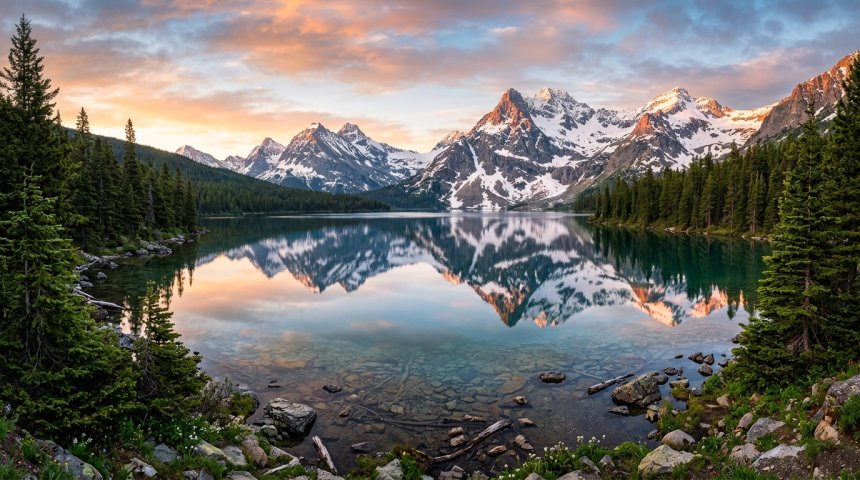
Glacier National Park, affectionately known as the "Crown of the Continent," stands as a jewel of North America's alpine wilderness. In 2026, this iconic Montana park continues to draw millions of visitors, captivated by its dramatic, glacier-carved peaks, impossibly clear lakes, and abundant, thriving wildlife. Spanning over a million acres, Glacier offers a profound connection to the wild, a place where the raw power of nature is on full, breathtaking display. Its landscapes, shaped over millennia by ice and uplift, present a dynamic and ever-changing panorama of geological history and ecological vitality.
A Tapestry of Geological Wonders and Natural Beauty
The very essence of Glacier National Park is etched into its stone and ice. Its dramatic topography is the product of millions of years of geological forces, most notably the immense power of glaciers during the Pleistocene epoch. These colossal ice sheets relentlessly sculpted the mountains, leaving behind the characteristic U-shaped valleys, sheer-walled cirques, and the park's namesake glaciers. While these ancient ice masses are sadly diminishing due to the accelerating impacts of climate change, their legacy is indelibly imprinted on every facet of the park's awe-inspiring landscape.
The Formation of a Masterpiece: Glacial Sculpting
The majestic mountains that form the backbone of Glacier National Park belong to the Lewis Range, a significant segment of the vast Rocky Mountains. These ancient rocks, some dating back over a billion years, were subjected to immense tectonic forces that uplifted them, only to be dramatically reshaped by the relentless advance and retreat of massive glaciers. As these ice sheets moved across the land, they gouged out deep valleys, polished sheer rock faces to a glassy smoothness, and deposited vast quantities of sediment, creating the unique landforms visible today. The sheer scale of this glacial artistry is evident in the park's most iconic features, such as the Garden Wall, a jagged, imposing ridge that serves as a stark testament to the erosive power of ancient ice.
The geological narrative of Glacier National Park is a complex and fascinating story of tectonic plate movement, uplift, and prolonged glacial erosion. The oldest rocks, belonging to the Precambrian Belt Supergroup, consist primarily of sedimentary layers like shale and sandstone. These were later intruded by igneous rock formations and subsequently thrust westward over younger rock strata by the powerful Lewis Thrust fault. This intricate geological history has resulted in a remarkable diversity of rock types and formations, contributing significantly to the park's varied and stunning scenery, from the colorful sedimentary layers to the stark granite peaks.
Waterways of Wonder: Lakes and Rivers
Glacier National Park is defined by its network of crystal-clear lakes and rushing rivers, their waters fed by the lifeblood of snowmelt and glacial runoff. These waterways are far more than just aesthetically pleasing features; they are vital ecosystems that support a rich diversity of aquatic life and sustain the park's terrestrial inhabitants.
-
Lake McDonald: As the largest lake within the park, Lake McDonald is a breathtaking spectacle of natural beauty. Its calm, turquoise waters mirror the surrounding snow-capped peaks, creating postcard-perfect vistas that change with the light. The lakebed is renowned for its vibrantly colored pebbles, smoothed and polished by eons of wave action. Popular activities include scenic boat tours and kayaking, offering visitors a unique and serene perspective of the park's grandeur.
-
St. Mary Lake: Situated on the park's eastern side, St. Mary Lake is another of its pristine jewels. Its deep blue waters are often dotted with small islands, and the iconic Wild Goose Island provides a classic and frequently photographed subject, embodying the wild spirit of Glacier. The Going-to-the-Sun Road offers numerous stunning viewpoints along its northern shore.
-
Many Glacier Area Lakes: The Many Glacier region is a hiker's and nature lover's paradise, boasting several stunning alpine lakes, including Swiftcurrent Lake and Josephine Lake. These lakes serve as crucial gateways to numerous trails that lead into high mountain meadows, past cascading waterfalls, and towards the park's remaining glaciers. The dramatic scenery here is often considered the quintessential Glacier experience.
-
Rivers and Streams: The park is intricately laced with a network of rivers and streams that originate from its glaciers and high-altitude snowfields. The North Fork, Middle Fork, and South Fork of the Flathead River are significant waterways, supporting diverse fish populations, including native cutthroat trout, and providing essential habitat and water sources for the park's abundant wildlife. The powerful flow of these rivers, particularly during the spring snowmelt, is a dynamic force that continues to shape the landscape.
The Vanishing Giants: Glaciers in a Changing Climate
The park's glaciers are perhaps the most poignant symbol of its wild nature and serve as a stark, visible reminder of the profound impacts of global climate change. Once numbering over 150, the park's glaciers have been steadily and dramatically retreating over the past century. Scientists estimate that if current warming trends persist, most of the park's glaciers could disappear entirely by 2030 or shortly thereafter. This loss has far-reaching implications for the park's hydrology, its unique ecosystems, and its iconic, glacier-sculpted beauty. Park rangers and scientists are actively engaged in monitoring these changes, and educational programs are increasingly highlighting the critical importance of conservation and climate action. The shrinking glaciers are a powerful symbol of a global challenge manifesting in one of America's most treasured natural landscapes.
Exploring Glacier National Park: Adventures for Every Visitor
Glacier National Park offers an unparalleled wealth of opportunities for exploration, catering to a wide spectrum of interests and abilities. From leisurely scenic drives that reveal breathtaking vistas at every turn to challenging backcountry treks that immerse visitors in true wilderness, the park's diverse terrain and accessibility make it a premier destination.
The Iconic Going-to-the-Sun Road
Arguably the most famous and celebrated feature of Glacier National Park is the Going-to-the-Sun Road. This extraordinary engineering feat, completed in 1932, offers an unforgettable 50-mile journey that traverses the park's rugged interior, providing unparalleled, panoramic views of mountains, valleys, cascading waterfalls, and the park's remaining glaciers.
-
A Scenic Masterpiece: The road climbs to an impressive elevation of over 6,600 feet at Logan Pass, the highest point accessible by vehicle within the park. Along its winding path, visitors encounter breathtaking overlooks, historic chalets, and frequent opportunities to spot wildlife in their natural habitat. The sheer scale and beauty of the landscape unfold dramatically as the road ascends.
![]()
-
Engineering Marvel: The construction of the Going-to-the-Sun Road was a monumental undertaking, requiring immense ingenuity to overcome challenging terrain, sheer cliffs, and extreme weather conditions. Its design is a remarkable example of blending human engineering with the natural landscape, preserving the park's pristine beauty while providing access.
-
Seasonal Access: Due to the immense amount of snowfall the region receives annually, the Going-to-the-Sun Road is typically only fully open from late June or early July through mid-October. Visitors planning a trip during these months should always consult the park's official website for the most current road status updates, as early snows or late spring melts can affect opening dates.
-
Vehicle Restrictions and Timed Entry: In recent years, to manage increasing traffic congestion and enhance the visitor experience, the park has implemented a timed entry permit reservation system for the Going-to-the-Sun Road corridor during peak season. It is absolutely crucial for visitors to plan ahead and secure these necessary permits if they intend to drive this iconic route. Information on permit requirements and reservation windows is available on the park's official website.

Hiking Trails: From Gentle Strolls to Epic Treks
With an extensive network of over 700 miles of hiking trails, Glacier National Park is a hiker's absolute paradise. Whether you seek a leisurely walk to a scenic viewpoint, a moderate day hike through alpine meadows, or a strenuous multi-day backpacking adventure into the remote backcountry, there is a trail perfectly suited to your aspirations.
-
Easy Hikes:
- Trail of the Cedars: This popular, accessible boardwalk trail winds through an ancient, moss-draped cedar forest, culminating at the stunning Avalanche Gorge, where the creek has carved a deep, narrow chasm. It offers a gentle introduction to the park’s diverse flora and is suitable for most visitors, including those with strollers and wheelchairs.
- Lake McDonald Lakefront Trail: This relatively flat and easy trail follows the picturesque eastern shore of Lake McDonald, offering beautiful views of the lake and surrounding mountains. It’s an ideal option for a relaxed stroll and provides opportunities for wildlife spotting.
-
Moderate Hikes:
- Hidden Lake Overlook: Starting from the Logan Pass Visitor Center, this well-maintained trail ascends gradually, offering spectacular, expansive views of the surrounding peaks and the vibrant turquoise waters of Hidden Lake nestled below. Keep a keen eye out for mountain goats and bighorn sheep, which are frequently seen along this route.
- Avalanche Lake: A moderate and highly rewarding hike that follows the scenic Avalanche Creek through the Trail of the Cedars before climbing gently to the shores of Avalanche Lake. The lake itself is a breathtaking sight, nestled beneath towering cliffs adorned with numerous cascading waterfalls fed by snowmelt.
-
Strenuous Hikes:
- Grinnell Glacier Trail: Consistently ranked among the park's most iconic and sought-after hikes, this challenging trail leads visitors to the receding Grinnell Glacier itself. The journey offers dramatic views of alpine lakes, glacial cirques, and the stark beauty of the high country. Utilizing the park's boat shuttle service across Swiftcurrent Lake and Josephine Lake can significantly shorten the overall distance and elevation gain.
- Highline Trail: This world-renowned trail offers a true alpine experience, traversing the precipitous Garden Wall with continuous, awe-inspiring views. It is a long and demanding hike, typically undertaken as a point-to-point trek from Logan Pass towards The Loop, requiring careful logistical planning for transportation.
- Iceberg Lake Trail: Located in the highly scenic Many Glacier area, this trail leads to a surreal, stunning lake that often contains icebergs well into the summer months, a direct testament to its glacial origins and the cold temperatures it maintains. The surrounding landscape is rugged and dramatic.
Backcountry Adventures: For the Truly Adventurous
For those seeking profound solitude, a deeper connection with nature, and the thrill of true wilderness exploration, Glacier National Park's vast backcountry offers unparalleled opportunities. This is where the park reveals its most remote and pristine character.
-
Permits and Planning: Backcountry camping requires a permit, which is a highly sought-after commodity. Permits can be obtained through a competitive lottery system or on a first-come, first-served basis for remaining availability. Thorough planning is absolutely essential, including detailed research on trail conditions, understanding bear safety protocols, and committing to Leave No Trace principles.
-
Iconic Backpacking Routes: Popular and challenging routes include the traverse of the Continental Divide, multi-day expeditions into the remote Bob Marshall Wilderness (which lies adjacent to the park and is managed cooperatively), and extensive explorations around the Many Glacier and Waterton Lakes regions, often crossing the international border into Canada.
-
Bear Safety: Glacier is prime grizzly bear habitat, and adherence to strict safety protocols is paramount. This includes carrying bear spray and knowing how to deploy it instantly, making consistent noise on trails to avoid surprising bears, and meticulously storing all food and scented items correctly in bear-resistant containers or designated food lockers.
Wildlife Viewing: A Glimpse into the Wild
Glacier National Park serves as a critical sanctuary for a remarkable array of wildlife, making it a premier destination for nature enthusiasts and photographers. Observing these animals in their natural, wild habitat is a profound privilege, and it is imperative to maintain a safe, respectful distance at all times to ensure the well-being of both the animals and the visitors.
-
Mammals: The park is home to significant populations of grizzly bears and black bears, sure-footed mountain goats, majestic bighorn sheep, elusive moose, stately elk, common deer, and the apex predator, the wolf. Smaller mammals like playful marmots and the resilient pika also inhabit the alpine regions.
- Grizzly Bears: The chance to see a grizzly bear in the wild is a highlight for many visitors, but it also necessitates extreme caution and respect. These powerful animals are a vital part of the ecosystem and inhabit the park in considerable numbers.
- Mountain Goats and Bighorn Sheep: These agile creatures are often observed on steep, rocky slopes and cliffs, particularly in the vicinity of Logan Pass, where they navigate seemingly impossible terrain with ease.
- Moose and Elk: These larger herbivores are most frequently found grazing in meadows and along waterways, especially during the crepuscular hours of dawn and dusk.
-
Birds: Glacier supports a diverse avian population, including impressive bald eagles and osprey fishing in the lakes and rivers, various species of waterfowl, and numerous colorful songbirds that fill the forests with their melodies.
-
Responsible Wildlife Viewing: It is fundamentally important to never feed wildlife, under any circumstances. Feeding animals can severely harm their health, disrupt their natural behaviors and migration patterns, and ultimately put both the animals and unsuspecting humans at significant risk. The use of binoculars and telephoto lenses is highly recommended for safe, effective, and unobtrusive wildlife observation.
Planning Your Visit to Glacier National Park in 2026
A successful and memorable trip to Glacier National Park requires careful and thorough planning. This is especially true given the park's immense popularity, its remote mountain setting, and the unique logistical considerations involved in visiting such a vast and wild area.
Best Time to Visit
The peak season for visiting Glacier National Park typically spans from July through September. During these months, the vast majority of the park's roads, hiking trails, and visitor facilities are open and accessible, and the weather is generally the most pleasant for outdoor activities.
-
Summer (July-August): This is the busiest period, characterized by warm weather and long daylight hours. Expect significant crowds, particularly on the Going-to-the-Sun Road and at popular trailheads. Wildflowers are in full bloom, and wildlife is highly active. Lodging and vehicle reservations should be made many months, if not a year, in advance.
-
Early Fall (September): The summer crowds begin to thin, and the landscape is often enhanced by the vibrant colors of autumn foliage. The weather can become more unpredictable, with a higher chance of early snowfalls at higher elevations. This can be a beautiful time to visit, but flexibility is key.
-
Late Spring (June): While some areas may still be snow-covered, and the Going-to-the-Sun Road may not be fully open until late June or early July, this is an excellent time to witness the park's waterfalls at their peak flow due to rapid snowmelt. Crowds are generally more moderate than in mid-summer.
-
Winter (November-May): Much of the park becomes inaccessible due to heavy snowfall and avalanche risk. The Going-to-the-Sun Road is closed to vehicles. However, the west side of the park, including the area around Lake McDonald, remains open to vehicles, offering opportunities for winter activities like snowshoeing, cross-country skiing, and ice skating on frozen Lake McDonald.
Lodging and Accommodations
Glacier National Park offers a range of lodging options, from historic park lodges that immerse visitors in the park's heritage to numerous campgrounds for those seeking a more rustic experience. Booking accommodations well in advance is not just recommended; it is absolutely essential, as options fill up extremely quickly, often a year or more ahead of time.
-
In-Park Lodges: The historic lodges within the park provide a unique and immersive experience. These include iconic establishments like Lake McDonald Lodge, Many Glacier Hotel, and the Village Inn. Due to their popularity and limited availability, reservations are typically required far in advance.
-
Campgrounds: The park operates several campgrounds, varying from primitive sites to those offering more amenities. Popular campgrounds like Apgar, Sprague Creek, and St. Mary require reservations, which are managed through recreation.gov. These sites are highly competitive and fill up rapidly.
-
Gateway Towns: Towns surrounding the park offer a wider variety of hotels, motels, and vacation rentals. Popular gateway communities include Whitefish, Columbia Falls, and Kalispell on the west side, and Babb and East Glacier Park Village on the east side. These towns provide alternative lodging options, restaurants, and services.
Getting Around the Park
Navigating Glacier National Park has its own set of rules and recommendations designed to ensure a smooth and enjoyable visit while minimizing environmental impact.
-
Personal Vehicle: Driving the Going-to-the-Sun Road is a highlight for many, but drivers should be prepared for narrow, winding roads, steep drop-offs, and extremely limited parking at popular viewpoints and trailheads. Vehicle size restrictions are enforced on certain sections of the road.
-
Park Shuttles: Glacier operates a free, hop-on-hop-off shuttle system that runs along the Going-to-the-Sun Road and connects to other key areas like Many Glacier and Two Medicine. This is an excellent option for avoiding parking hassles, reducing traffic congestion, and allowing visitors to focus on the scenery. The shuttle system typically operates from July 1st through Labor Day.
-
Bicycles: Cycling the Going-to-the-Sun Road is a popular, albeit physically demanding, activity. The road is often open to cyclists before it fully opens to vehicles in the spring, offering a unique way to experience the park. Cyclists must be aware of traffic, road conditions, and weather.
Essential Preparations and Safety
Safety and preparedness are paramount when visiting Glacier National Park, a wild and remote environment where conditions can change rapidly.
-
Bear Safety: As repeatedly emphasized, Glacier is bear country. Always carry bear spray, know how to use it, and keep it readily accessible. Make noise while hiking to alert bears of your presence. Store food properly in bear-resistant containers or lockers. Review the park's comprehensive bear safety guidelines before your visit.
-
Weather: Mountain weather is notoriously fickle. Be prepared for sun, rain, wind, and even snow, regardless of the season. Layering clothing is essential for adapting to changing conditions. Check forecasts regularly, but always be prepared for unexpected shifts.
-
Hydration and Sun Protection: The sun's rays can be intense at higher altitudes, even on cool days. Carry plenty of water, wear sunscreen, a wide-brimmed hat, and sunglasses. Staying hydrated is crucial, especially when hiking.
-
Trail Etiquette: Always stay on marked trails to protect fragile vegetation and prevent erosion. Pack out everything you pack in, adhering strictly to Leave No Trace principles. Be courteous to other visitors, yielding to uphill hikers and yielding to those on horseback.
-
Connectivity: Cell service is extremely limited and often non-existent within much of the park. Download maps, trail information, and any essential park resources offline before your arrival. Inform someone of your hiking plans and expected return time.
Conservation and the Future of Glacier National Park
Glacier National Park is more than just a collection of stunning vistas; it is a vital, functioning ecosystem and a powerful symbol of the critical importance of conservation in the face of global environmental challenges.
The Impact of Climate Change
The most significant and pervasive threat facing Glacier National Park in 2026 and beyond is undoubtedly climate change. The rapid melting of its namesake glaciers is merely the most visible symptom of a broader crisis. Rising global temperatures are profoundly impacting snowpack depth and duration, altering water availability throughout the region, and disrupting the delicate balance of alpine ecosystems that have evolved over millennia. Furthermore, the increased frequency and intensity of wildfires pose a growing concern, presenting significant risks to both the park's natural resources and the safety of visitors and residents.
Preservation Efforts
The National Park Service, in close collaboration with leading scientists, research institutions, and dedicated conservation organizations, is actively engaged in efforts to understand, monitor, and mitigate the far-reaching effects of climate change within the park.
-
Monitoring: Extensive, long-term monitoring programs track the retreat of glaciers, the health and population dynamics of wildlife, the condition of water resources, and the overall state of the park's ecosystems. This data is crucial for informed decision-making and adaptive management strategies.
-
Research: Ongoing scientific research provides critical insights into the predicted future impacts of climate change on Glacier's unique environment. This research helps to forecast changes in vegetation, wildlife distribution, and hydrological patterns, guiding the development of effective conservation strategies.
-
Public Education: A key component of conservation efforts involves raising public awareness about the realities of climate change and its tangible effects on natural environments like Glacier. Educational programs, interpretive displays, and ranger-led talks aim to inform visitors about their role in protecting the park and inspire action towards sustainable practices.
-
Wildfire Management: Strategies are continuously being refined to manage wildfire risks effectively. This includes the use of prescribed burns to mimic natural fire cycles, rapid response protocols for new ignitions, and careful planning to balance ecological needs with public safety and resource protection.
Leave No Trace Principles
Practicing Leave No Trace principles is not merely a suggestion but a fundamental responsibility for every visitor aiming to preserve Glacier National Park for future generations. This ethical framework guides responsible outdoor recreation and includes:
- Plan Ahead and Prepare: Know the regulations, weather, and potential hazards.
- Travel and Camp on Durable Surfaces: Stick to trails and established campsites.
- Dispose of Waste Properly: Pack it in, pack it out.
- Leave What You Find: Leave rocks, plants, and artifacts as you find them.
- Minimize Campfire Impacts: Use established fire rings where permitted, or opt for a camp stove.
- Respect Wildlife: Observe from a distance and never feed animals.
- Be Considerate of Other Visitors: Respect others' experience and maintain a peaceful environment.
By diligently adhering to these principles, visitors contribute directly and meaningfully to the ongoing health, resilience, and preservation of this extraordinary natural treasure.
Conclusion: A Legacy in Peril, A Call to Action
Glacier National Park stands as a majestic, enduring testament to the raw, untamed power and breathtaking, unparalleled beauty of the natural world. Its towering peaks, impossibly clear, jewel-toned lakes, and vibrant, interconnected ecosystems have inspired awe, wonder, and a deep sense of reverence for generations of visitors. However, this pristine wilderness now faces unprecedented challenges, most notably the accelerating and undeniable impacts of climate change. These changes threaten not only its iconic, ancient glaciers but also the delicate, intricate balance of its unique alpine and subalpine ecosystems.
As we navigate 2026, the future of Glacier's glaciers hangs precariously in the balance, serving as a powerful and poignant symbol of a global environmental crisis unfolding in real-time. Visiting Glacier National Park offers more than just an opportunity for unforgettable adventure and a profound connection with the natural world; it provides a stark, firsthand encounter with the urgent need for dedicated conservation efforts and decisive climate action. By striving to understand the park's unique geological heritage, respecting its wild inhabitants, meticulously adhering to Leave No Trace principles, and actively supporting preservation initiatives, we can all play an indispensable role in safeguarding the Crown of the Continent for the enduring benefit of future generations. The true legacy of Glacier is not solely contained within its past grandeur but resides in our collective commitment to ensuring its vibrant future.
Frequently Asked Questions About Glacier National Park
What are the main attractions in Glacier National Park?
The primary attractions include the world-renowned Going-to-the-Sun Road, offering spectacular scenic drives and numerous overlooks; the pristine, glacially-carved lakes such as Lake McDonald and St. Mary Lake; a vast network of hiking trails suitable for all levels, from easy nature walks to challenging backcountry expeditions; abundant wildlife viewing opportunities featuring grizzly bears, mountain goats, and bighorn sheep; and the park's namesake glaciers, which, although diminishing, remain a powerful symbol of the park's wild character.
When is the best time to visit Glacier National Park?
The optimal time to visit Glacier National Park is generally from July through September. During these months, most park roads and trails are accessible, and the weather is typically favorable for outdoor activities. Summer provides lush greenery and abundant wildflowers, while early fall offers beautiful autumn colors and fewer crowds. However, visitors should always be prepared for variable mountain weather conditions, even during peak season.
How can I see wildlife in Glacier National Park safely?
To observe wildlife safely and responsibly, it is crucial to maintain a significant distance and never attempt to feed any animals. Binoculars or a telephoto lens are recommended for enhanced viewing. Exercise extreme caution in bear country by carrying bear spray, making consistent noise while hiking, and remaining vigilant of your surroundings. Popular areas for wildlife sightings include Logan Pass, the Many Glacier valley, and along the Going-to-the-Sun Road.
Do I need a permit to enter Glacier National Park?
In 2026, a timed entry permit reservation is required for accessing the Going-to-the-Sun Road corridor and other high-demand areas like Many Glacier and the North Fork region during the peak season. These permits are in addition to the standard park entrance fee and are implemented to manage traffic flow and improve the visitor experience. Backcountry camping also necessitates a permit. It is essential to consult the official Glacier National Park website for the most current and detailed information regarding permit requirements and reservation procedures well in advance of your visit.
What are the most popular hiking trails in Glacier National Park?
Some of the most highly frequented hiking trails include the Trail of the Cedars/Avalanche Lake trail, offering a combination of accessible boardwalk and moderate forest hiking; the Hidden Lake Overlook trail originating from Logan Pass, celebrated for its stunning alpine vistas and frequent wildlife encounters; the Grinnell Glacier Trail, a strenuous but rewarding trek leading to a receding glacier; and the Highline Trail, a challenging yet spectacular route traversing the Garden Wall with continuous panoramic views.
What is being done to protect Glacier National Park's glaciers?
Glacier National Park's glaciers are critical indicators of climate change. The National Park Service is actively engaged in monitoring their ongoing retreat through extensive scientific research and data collection. Conservation efforts also encompass broader initiatives, including proactive wildfire management, ecosystem restoration projects, and public education campaigns designed to raise awareness about climate change and promote sustainable visitor practices. While the glaciers themselves cannot be shielded from the effects of global warming, the primary focus is on understanding their changes and diligently protecting the park's wider ecosystem for the future.
Share
What's Your Reaction?
 Like
0
Like
0
 Dislike
0
Dislike
0
 Love
0
Love
0
 Funny
0
Funny
0
 Angry
0
Angry
0
 Sad
0
Sad
0
 Wow
0
Wow
0