
Ultimate Acadia National Park, Maine: Your 2026 Guide
Explore Acadia National Park, Maine in 2026! Discover stunning coastal views, Cadillac Mountain sunrises, and rich history. Plan your visit!

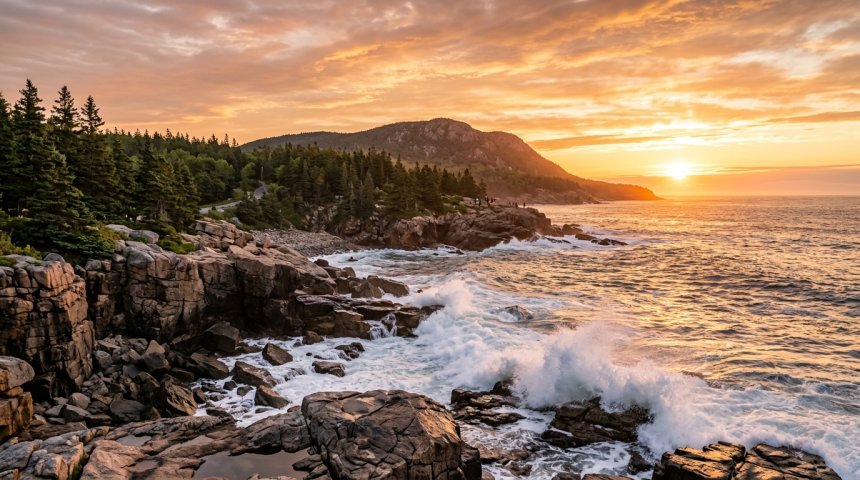
Acadia National Park, perched on the rugged coast of Maine, is a place where granite cliffs meet the vast Atlantic Ocean, ancient forests whisper tales of time, and the sky puts on a dazzling display each dawn and dusk. This iconic park, the first national park east of the Mississippi River, draws millions of visitors annually, eager to explore its diverse landscapes and immerse themselves in its wild beauty. In 2026, Acadia continues to stand as a testament to the power of preservation and a beloved destination for outdoor enthusiasts and nature lovers alike.
A Glimpse into Acadia's Storied Past
The story of Acadia National Park is as rich and textured as the park's granite formations. Long before it was designated a national park, this land was home to Native American tribes, most notably the Wabanaki people, who utilized its resources for thousands of years. They called this area "Pehocksot" meaning "land by the sea." European settlers arrived in the 17th century, and the area, then part of French Acadia, saw various periods of colonial influence and conflict.
The late 19th and early 20th centuries marked a pivotal era for Mount Desert Island, the primary landmass of the park. Wealthy industrialists and artists, captivated by the dramatic scenery, began establishing summer estates. Visionaries like George B. Dorr, Charles W. Eliot, and John D. Rockefeller Jr. recognized the potential for preserving this unique landscape for public enjoyment. They acquired large tracts of land and worked tirelessly to protect them from development.
In 1901, George B. Dorr established the first private organization dedicated to preserving the area, the Hancock County Trustees for Public Reservations. Charles W. Eliot, a former president of Harvard University, championed the idea of a national park. Their efforts culminated in 1916 when President Woodrow Wilson signed the act establishing Sieur de Monts National Monument. In 1919, it was elevated to national park status, becoming Lafayette National Park, and was renamed Acadia National Park in 1929. The park's history is a compelling narrative of private philanthropy, public advocacy, and a shared commitment to conservation, a legacy that continues to shape its present and future.
The Crown Jewels: Acadia's Must-See Landscapes and Features
Acadia's magic lies in its breathtaking variety of natural attractions, all packed into a relatively small area. From the highest point on the North Atlantic seaboard to the serene inland lakes, there's a wonder around every bend.
Cadillac Mountain: The Dawn's First Kiss
Cadillac Mountain, at 1,530 feet, is the undisputed monarch of Acadia. For a significant portion of the year, it holds the distinction of being the first place in the United States to see the sunrise. Standing atop Cadillac, especially during the pre-dawn hours, is an experience that etches itself into memory. As the sky gradually transitions from inky black to hues of purple, pink, and gold, the islands of Frenchman Bay emerge from the mist, and the vast Atlantic stretches to the horizon. The panoramic views are simply unparalleled, offering a sweeping vista of the park's coastline, islands, and surrounding mainland.
Access to Cadillac Mountain is available via the Park Loop Road, and in peak season, reservations are often required for vehicle access to the summit. Visitors can also hike or bike to the top, offering a more intimate connection with the mountain's granite slopes and unique alpine flora. The summit itself is a vast, weathered expanse of pink granite, sculpted by glaciers over millennia. It’s a popular spot for photography, quiet contemplation, and simply marveling at nature's grandeur. The feeling of standing on the edge of the continent, watching the world awaken, is profoundly moving.
Park Loop Road: A Scenic Symphony
The 27-mile Park Loop Road is the quintessential Acadia experience, winding its way through some of the park's most dramatic and iconic landscapes. This meticulously designed road, partially funded by John D. Rockefeller Jr., offers a journey through coastal vistas, dense forests, and past significant landmarks. It's a journey that unfolds at a leisurely pace, encouraging stops to explore, photograph, and breathe in the salty air.
Key highlights along the Park Loop Road include:
- Sand Beach: A surprising anomaly, this beautiful sandy beach nestled between rocky headlands offers a refreshing spot for a stroll or a bracing dip in the chilly Atlantic waters. The contrast of soft sand against the rugged, rocky shores is striking.
- Thunder Hole: This natural inlet in the granite cliffs is a marvel of acoustics. When the tide and wave conditions are just right, incoming waves are forced into a narrow cavern, creating a thunderous roar and a spectacular spray of water that can shoot up to 40 feet in the air. It’s a powerful demonstration of the ocean’s force.
- Otter Cliff: Rising 110 feet above the sea, Otter Cliff provides dramatic ocean views and is a popular spot for rock climbers. The sheer granite face dropping into the churning sea below is a photographer's dream.
- Jordan Pond House: A historic lodge offering a delightful respite, Jordan Pond House is famous for its popovers, served warm with butter and jam. Enjoying these treats on the lawn, with the iconic rounded peaks of the "Bubbles" mountains reflected in the pristine waters of Jordan Pond, is a quintessential Acadia tradition.
The Park Loop Road is divided into two sections: a one-way section on the eastern side of Mount Desert Island and a two-way section on the western side. This design helps manage traffic flow and ensures a more enjoyable visitor experience.
Jordan Pond and the Bubbles
Jordan Pond is one of Acadia's most picturesque and beloved spots. Its crystal-clear waters perfectly reflect the surrounding landscape, most notably the pair of rounded mountains known as "The Bubbles" – North Bubble and South Bubble. These distinctive peaks, shaped by glacial activity, offer moderate hiking trails that reward climbers with stunning views of the pond and the surrounding park.
The trail to the summit of South Bubble leads to Bubble Rock, a massive glacial erratic perched precariously on the mountainside, seemingly defying gravity. The view from atop either Bubble is a classic Acadia panorama, showcasing the serene beauty of Jordan Pond and the intricate coastline beyond. A leisurely stroll around the pond's perimeter is also a rewarding experience, offering different perspectives of its tranquil beauty. The Jordan Pond House, as mentioned, is an essential stop for refreshment and to soak in the views.
Bass Harbor Head Light
Located on the southwestern tip of Mount Desert Island, the Bass Harbor Head Light is one of Maine's most photographed lighthouses. Perched atop a rocky cliff, it has guided mariners safely into Bass Harbor since 1858. While the lighthouse itself is an active aid to navigation and not typically open for interior tours, the grounds offer breathtaking views of the rugged coastline and the powerful Atlantic waves crashing against the shore. The short walk to the lighthouse viewpoint is a must-do for anyone visiting this side of the island. The sea-sculpted rocks surrounding the lighthouse are as much a part of the attraction as the tower itself, showcasing the raw power of nature.

A Hiker's Paradise: Trails for Every Level
Acadia National Park is a hiker's dream, boasting over 150 miles of trails that range from gentle carriage road strolls to challenging, iron-rung climbs. The park's diverse terrain ensures there's a path for every ability and interest.
Carriage Roads: Rockefeller's Legacy
Perhaps one of the most unique aspects of Acadia's trail system is its network of 45 miles of historic carriage roads. Financed and designed by John D. Rockefeller Jr. between 1913 and 1940, these roads were built exclusively for non-motorized use, intended for horse-drawn carriages, bicycles, and pedestrians. Rockefeller's vision was to create a harmonious network of roads that blended seamlessly with the natural landscape.
The carriage roads are characterized by their gravel surfaces, gently graded inclines, and stunning stone bridges, many of which are architectural masterpieces. They wind through forests, along lakeshores, and offer access to many of the park's most scenic areas, including Eagle Lake and Jordan Pond. In winter, these roads are popular for cross-country skiing and snowshoeing. The absence of cars on these paths allows for a peaceful and immersive experience, making them a beloved feature of Acadia. Exploring these roads by bike or on foot is a truly special way to connect with the park's history and natural beauty.
Challenging Climbs and Iron Rungs
For those seeking an adrenaline rush and a unique hiking challenge, Acadia offers a series of trails featuring "iron rungs" – metal rungs embedded into sheer granite cliffs, akin to a ladder. These trails provide access to otherwise inaccessible viewpoints and offer a thrilling way to ascend the park's mountains.
Notable iron-rung trails include:
- Precipice Trail: Often considered one of the most challenging and exhilarating hikes in the park, the Precipice Trail climbs the sheer cliffs of Champlain Mountain. It involves navigating narrow ledges, crossing chasms, and ascending steep rock faces using iron rungs and ladders. Due to its difficulty and potential hazards, this trail is typically recommended for experienced hikers in good physical condition and is often closed during nesting season for peregrine falcons.
- Beehive Trail: A shorter but equally exciting option, the Beehive Trail offers a similar iron-rung climbing experience up the side of the Beehive mountain. It provides spectacular views of Sand Beach and the coastline below.
- Adirondack Trail: This trail offers a more moderate introduction to iron-rung climbing, with fewer steep sections and less exposure than the Precipice or Beehive.
These trails are not for the faint of heart or those with a fear of heights, but the rewards—unparalleled views and a sense of accomplishment—are immense. Hikers are strongly advised to check trail conditions and closures before setting out.
Gentle Strolls and Coastal Walks
Acadia also excels in providing accessible and scenic walks for all visitors. The Ocean Path is a prime example, running for about 2.2 miles along the coast from Sand Beach to Otter Cliff. This relatively flat path offers stunning views of the ocean, cliffs, and popular attractions like Thunder Hole. It's perfect for a leisurely walk, photography, or simply enjoying the sea breeze.
Other popular gentle trails include:
- Jordan Pond Path: A mostly flat, 3.3-mile loop around Jordan Pond, offering beautiful reflections and access to the Jordan Pond House.
- Wonderland Trail: A short, easy 1.4-mile loop on the "quiet side" of Mount Desert Island, leading to a rocky shore with tide pools.
- Ship Harbor Trail: Another accessible 1.3-mile loop on the quiet side, offering coastal views and opportunities to explore tide pools.
These trails ensure that everyone, regardless of their hiking experience or physical ability, can enjoy the breathtaking beauty of Acadia.
A Biodiversity Hotspot: Flora and Fauna of Acadia
Acadia National Park is a vibrant ecosystem, supporting a surprising diversity of plant and animal life within its relatively compact boundaries. The park's varied habitats—from rocky shores and coastal forests to freshwater lakes and granite peaks—create niches for a wide array of species.
Avian Wonders: Birdwatching in Acadia
Acadia is a haven for birdwatchers. Its diverse habitats attract a wide variety of resident and migratory birds. The coastline is particularly important for seabirds, including gulls, cormorants, and occasionally puffins offshore.
- Peregrine Falcons: These magnificent raptors, once endangered, have made a remarkable comeback in Acadia, thanks to dedicated conservation efforts. They often nest on the park's sheer cliffs, and their presence is a symbol of ecological recovery.
- Warblers: During migration seasons, the park's forests become a vibrant tapestry of warblers, with species like the Yellow Warbler, Black-throated Blue Warbler, and American Redstart flitting through the trees.
- Waterfowl: Lakes and ponds within the park, such as Eagle Lake and Jordan Pond, are home to various ducks and other waterfowl.
Birding tours and guided walks are often available, providing expert insights into the park's feathered inhabitants. The changing seasons bring different avian spectacles, making Acadia a rewarding destination for birdwatchers year-round.
Mammals of the Maine Woods
While large mammals like moose and black bears inhabit the broader region of Maine, spotting them within the more developed areas of Acadia can be challenging. However, the park is home to a variety of smaller mammals.
- White-tailed Deer: These graceful creatures are frequently seen grazing in meadows and along the edges of forests, especially during dawn and dusk.
- Red Squirrels and Chipmunks: These energetic rodents are ubiquitous throughout the park, often seen darting across trails and through the trees.
- Harbor Seals and Grey Seals: Along the coastline, particularly in areas like Otter Cliff and Thunder Hole, seals can often be spotted basking on rocks or swimming in the water.
- Marine Mammals: While less common directly off the coast, whale watching tours departing from nearby Bar Harbor offer opportunities to see humpback whales, fin whales, and mink whales in the deeper waters of the Gulf of Maine.
The park's conservation efforts are crucial for maintaining healthy populations of these species. Visitors are reminded to observe wildlife from a safe distance and never feed the animals.
A Botanical Tapestry
Acadia's flora is as varied as its topography. The park showcases a transition zone where northern boreal forests meet the more temperate forests of the south, creating a rich botanical diversity.
- Coniferous Forests: Spruce, fir, and pine trees dominate many of the park's higher elevations and exposed coastal areas, adapted to the harsh climate.
- Deciduous Forests: In more sheltered areas, oak, maple, and birch trees create vibrant autumn displays.
- Coastal Vegetation: Salt-tolerant plants like beach rose, bayberry, and various grasses thrive along the shoreline.
- Alpine Flora: On the higher peaks like Cadillac Mountain, hardy plants adapted to exposed conditions can be found.
The park's diverse plant life not only contributes to its scenic beauty but also provides essential habitat and food sources for its animal inhabitants.
Planning Your Acadia Adventure: Tips for Visitors in 2026
To make the most of your visit to Acadia National Park, a little planning goes a long way. The park's popularity means that thoughtful preparation can significantly enhance your experience, especially during the busy summer months.
Best Times to Visit
Acadia offers distinct beauty in every season, but the peak season runs from June through October.
- Summer (June-August): This is the most popular time, with warm weather perfect for hiking, biking, and enjoying the coast. Expect crowds and book accommodations and any necessary reservations (like Cadillac Mountain vehicle access) well in advance.
- Fall (September-October): Acadia transforms into a breathtaking canvas of color as the leaves change. The crisp air is ideal for hiking, and the crowds begin to thin after Labor Day. This is often considered the sweet spot for many visitors.
- Spring (April-May): The park awakens after winter, with wildflowers beginning to bloom and migratory birds returning. Weather can be unpredictable, with lingering snow in higher elevations, but it offers a quieter experience.
- Winter (November-March): Acadia is a serene winter wonderland. While some roads and facilities are closed, the park offers opportunities for snowshoeing, cross-country skiing, and ice skating on frozen lakes. The dramatic, snow-dusted coastline is a sight to behold.
Getting Around the Park
- Car: Driving is a popular way to access Acadia, especially for those coming from outside the immediate area. The Park Loop Road is a highlight for car travel. Be aware of seasonal closures and potential traffic congestion.
- Island Explorer Shuttle: During the peak season (typically late June to mid-October), the free Island Explorer shuttle bus system is an excellent way to navigate Mount Desert Island and access most of the park's main attractions without the hassle of parking. This eco-friendly service is highly recommended.
- Bicycles: The carriage roads are ideal for cycling, and bike rentals are available in nearby towns. The Park Loop Road also has designated bike lanes in some sections.
- On Foot: Hiking and walking are central to the Acadia experience. Many areas are best explored on foot.
Entrance Fees and Passes
Acadia National Park requires an entrance fee. Visitors can purchase a 7-day pass or an annual pass. Those with an America the Beautiful National Parks Pass will have their entrance covered. It's advisable to purchase your pass in advance online or at one of the park's entrance stations.
Important Considerations
- Reservations: During peak season, vehicle reservations may be required for Cadillac Mountain summit road. Check the National Park Service website for the most current information on reservation requirements and to make bookings.
- Weather: Coastal Maine weather can change rapidly. Pack layers of clothing, including rain gear, even during the summer months.
- Footwear: Sturdy, comfortable walking or hiking shoes are essential for exploring the park's varied terrain.
- Leave No Trace: Practice Leave No Trace principles to help preserve the park's natural beauty for future generations. This includes packing out all trash, staying on marked trails, and respecting wildlife.
- Safety: Be aware of your surroundings, especially on trails. Inform someone of your hiking plans, carry water and snacks, and be mindful of tides and weather conditions.
Acadia's Enduring Appeal: A National Treasure
Acadia National Park is more than just a collection of scenic vistas; it's a dynamic landscape shaped by geological forces, sculpted by glaciers, and refined by the relentless power of the Atlantic Ocean. It's a place where human history intertwines with natural splendor, from the ancient trails of the Wabanaki people to the philanthropic vision of early conservationists.
The park’s accessibility, combined with its sheer natural beauty, makes it a perennial favorite for millions. Whether you're standing atop Cadillac Mountain to witness the sunrise, cycling along a historic carriage road, or listening to the roar of Thunder Hole, Acadia offers moments of profound connection with the natural world.
In 2026, Acadia National Park continues to stand as a beacon of conservation and a testament to the enduring power of wild places. Its granite peaks, pristine lakes, and rugged coastline offer an escape, an adventure, and an inspiration that draws visitors back, year after year, to experience the magic of this Maine jewel. The park's ongoing management, guided by principles of preservation and visitor experience, ensures that this treasure will be enjoyed for generations to come. Acadia is a reminder that even in a rapidly changing world, the enduring beauty and power of nature can offer solace, wonder, and a deep sense of place.
Frequently Asked Questions About Acadia National Park
What is the best time of year to visit Acadia National Park?
The best time to visit Acadia National Park really depends on what you're looking for. Summer (June-August) offers the warmest weather, ideal for all outdoor activities, but it's also the busiest. Fall (September-October) is incredibly popular for its stunning foliage, crisp air, and slightly smaller crowds than summer. Spring (April-May) is quieter, with blooming wildflowers and returning birds, though weather can be unpredictable. Winter (November-March) offers a serene, snow-covered landscape for those seeking solitude and winter sports, but many roads and facilities are closed. For a balance of good weather, beautiful scenery, and manageable crowds, early fall is often considered ideal.
Do I need a reservation to visit Acadia National Park?
In 2026, vehicle reservations are often required to drive up Cadillac Mountain during peak season (typically May 25 through October 22). These reservations are in addition to the park entrance fee. It's crucial to check the official National Park Service Acadia website for the most up-to-date information on reservation requirements, as they can change based on the season and demand. Reservations usually become available several weeks in advance and can sell out quickly. Other areas of the park do not typically require reservations, but parking can be limited at popular spots.
What are the most iconic sights in Acadia National Park?
Acadia National Park boasts several iconic sights that are must-sees for any visitor. These include Cadillac Mountain, the highest point on the North Atlantic seaboard, offering panoramic views and the first sunrise in the U.S. for much of the year. The Park Loop Road is a scenic drive featuring highlights like Sand Beach, Thunder Hole, and Otter Cliff. Jordan Pond with its famous popovers at the Jordan Pond House and the distinctive rounded peaks known as the Bubbles is another beloved spot. Finally, the picturesque Bass Harbor Head Light on the southwestern tip of Mount Desert Island is a classic Maine lighthouse experience.
Are there any dangerous animals in Acadia National Park?
While Acadia is generally safe, visitors should be aware of potential wildlife encounters. The most common animals you might see are white-tailed deer, squirrels, and chipmunks. Along the coast, seals are frequently spotted. Black bears and moose inhabit the region, but sightings within the park are relatively rare, especially in the more developed areas. It's important to remember that these are wild animals. Maintain a safe distance, never feed them, and store food properly to avoid attracting them. Ticks are present in the park, so taking precautions against tick bites is recommended, especially when hiking in wooded areas.
What are the best hiking trails for families with young children?
Acadia offers several family-friendly hiking trails that are suitable for young children. The Jordan Pond Path is a relatively flat, easy 3.3-mile loop around the pond, perfect for a leisurely stroll. The Wonderland Trail and Ship Harbor Trail, both on the "quiet side" of Mount Desert Island, are short, easy loops (around 1.3-1.4 miles) leading to the rocky shoreline, offering opportunities to explore tide pools. The Ocean Path is also a good choice, as it's mostly flat and paved in sections, running along the coast with stunning views and easy access to points of interest like Thunder Hole. Always supervise children closely, especially near water and cliffs.
Can I swim in Acadia National Park?
Yes, you can swim in Acadia National Park, but be prepared for very cold water. The most popular spot for swimming is Sand Beach, a beautiful sandy cove nestled between rocky headlands. However, the Atlantic Ocean water here is bracing, even in the summer, with temperatures typically in the low 60s Fahrenheit (around 15-17°C). Some visitors also swim in the park's freshwater lakes, such as Echo Lake, which can be slightly warmer than the ocean but still refreshingly cool. Always exercise caution when swimming, be aware of currents and wave conditions, and never swim alone.
Share
What's Your Reaction?
 Like
0
Like
0
 Dislike
0
Dislike
0
 Love
0
Love
0
 Funny
0
Funny
0
 Angry
0
Angry
0
 Sad
0
Sad
0
 Wow
0
Wow
0